High Diesel Prices Lift US Producer Inflation in August
 Andrew MoranUpdated 2 hours Ago2 Mins read

U.S. wholesale inflation climbed in August as higher crude oil and gasoline costs added to price pressures at the wholesale level. This aligned with market estimates.
Last month’s Producer Price Index—a measure of the prices businesses pay for goods and services, which can ultimately be passed on to consumers—rose 0.4 percent, from an upwardly revised 0.1 percent in July, according to new government data released by the Bureau of Labor Statistics on Sept. 10.
Collectively, producer inflation has risen about 6 percent since January 2025.
On a 12-month basis, producer prices advanced to a higher-than-expected 5.4 percent, from an upward adjustment of 4.8 percent in July.
More than one-third of the August increase came from a 24 percent surge in diesel fuel prices, the bureau said. Higher prices for gasoline, home heating oil, and jet fuel also contributed to the overall rise.
Diesel prices have accelerated in recent weeks, inching closer to $6 per gallon.
The increase has been driven in part by the war in Ukraine, with Kyiv targeting Moscow’s refining infrastructure, and the Kremlin imposing bans on diesel exports.
The U.S.–Iran conflict has also been a key contributor to pressure in global diesel markets, driven by the collapse in traffic in the Strait of Hormuz.
But even if the conflict ended, energy markets could take time to normalize, said Ipek Ozkardeskaya, senior analyst at Swissquote Bank.
“What’s certain, however, is that refined-product prices don’t come down immediately when crude/gas spot or futures prices do, because refining margins, inventories and supply constraints can keep gasoline and diesel prices elevated,” Ozkardeskaya said in a note emailed to The Epoch Times.
Excluding food and energy, core wholesale inflation has been tame.

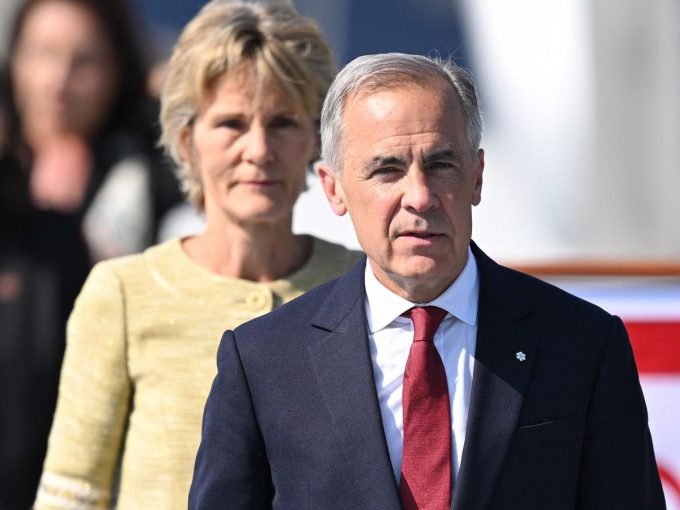
Federal Reserve Chairman Kevin Warsh speaks during a press conference in Washington on July 29, 2026. Madalina Kilroy/The Epoch Times
Core producer prices edged higher to 4.6 percent year over year.
Service prices, a closely watched measure in the monthly report, rose just 0.1 percent. Much of that was driven by a more than 2 percent boost in transportation and warehousing costs.
Looking to the CPI
Fresh wholesale inflation figures come one day before the bureau releases the highly anticipated August Consumer Price Index report.
Last month’s consumer inflation data could affect Federal Reserve policymaking as traders increasingly bet officials will raise interest rates at next week’s meeting.
On the eve of CPI’s publication, the consensus estimate puts the 12-month rate at 3.4 percent, unchanged from the previous month. Annual core inflation could slow to 2.4 percent.
Elevated headline inflation in recent months has been almost entirely driven by surging oil and gas prices. But monetary authorities are waiting to see whether rising energy costs will filter through the broader economy.
To date, structural inflation has been closer to the central bank’s 2 percent target.
The recent spike in global energy markets could become a cause for concern.
A barrel of West Texas Intermediate—the U.S. benchmark for oil prices—is at $100 again. Gas prices are firmly above $4, while diesel is at a record high.
But early September inflation forecasts from the Cleveland Fed suggest little effect on core inflation. The 12-month rate is projected to come in at 2.3 percent, and the monthly rate is predicted to rise just 0.2 percent.
“For Kevin Warsh, core inflation matters more than the headline because it strips away volatile food and energy prices and provides a cleaner look at the underlying inflation trend,” Jay Woods, market strategist at Freedom Capital Markets, told The Epoch Times in an emailed note.
“This is what he believes policymakers should focus on rather than isolated price swings.”
The odds of a quarter-point rate hike stand at 64 percent, according to CME FedWatch data.
Additionally, the 2-year Treasury yield—more sensitive to Federal Reserve policy expectations—is near 4.5 percent. This suggests investors are penciling in three rate hikes.





Existing-Home Sales Fall to Slowest Pace in More Than a Year
Sales of previously owned homes fell in August to their slowest pace...
US Weekly Unemployment Claims Dip as Layoffs Stay Low
The number of Americans filing for unemployment benefits dipped last week, signaling...

Life Insurance You Don’t Need Anymore (And the Kind You Might)
Life insurance can be an important part of your life. This is...

Apple Joins Foldable Phone Race With $1,999 Passport-Shaped iPhone Duo
CUPERTINO, California—Apple on Wednesday redefined its flagship smartphone with the launch of...