High-Income Consumers Turning to Buy Now Pay Later: Block
 Andrew MoranUpdated 31 minutes Ago2 Mins read
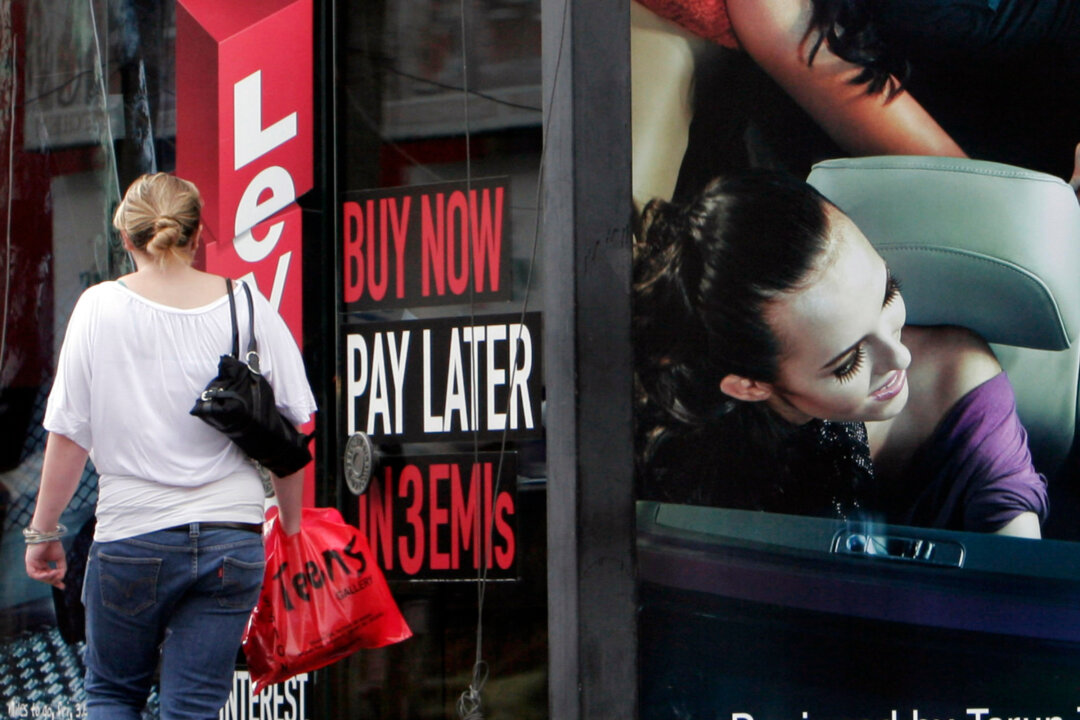
Buy Now, Pay Later (BNPL) services have traditionally appealed to younger shoppers, lower-income consumers, and people with limited access to credit. But new data from payments firm Block suggests that BNPL also appeals to higher-income consumers who use deferred-payment products.
Block surveyed U.S. adults who use deferred-payment products, including installment plans, cash advances, and buy now, pay later services.
Among those respondents, 69 percent from households earning $100,000 or more reported using BNPL in the past 12 months.
By comparison, almost two-thirds of those earning between $50,000 and $100,000 had used BNPL. Sixty-one percent of those making less than $50,000 had also used checkout financing.
Among credit card holders who chose a payment plan, 26 percent said they wanted to avoid credit card interest or fees.
Many short-term BNPL plans typically carry 0 percent interest when the purchase is split into four payments over six weeks and paid on time. BNPL loans stretched over several months or years often charge interest.
The Federal Reserve reports that the average interest rate on commercial bank credit card plans is about 21 percent.
Ted Rossman, principal consumer finance analyst at Money Management International, says it’s still important to examine the fine print on BNPL loans.
“The classic BNPL example was four interest-free payments over six weeks, but that’s not always the case anymore,” Rossman told The Epoch Times.
“Many of these plans are lasting longer … and many of those do charge interest, often 15 percent, 20 percent, 25 percent, perhaps even more.”
Managing cash flow and asset allocation, meanwhile, also matters for households earning at least $100,000 annually. According to Block, 64 percent said they used BNPL to avoid drawing down savings and to preserve money in investment accounts.
The firm also reported that affluent households are turning to other financing methods, including retailer installment plans (50 percent), splitting a purchase into payments after making it (49 percent), and personal loans (47 percent).
“Credit cards remain widespread, but consumers are using them differently,” the report stated.
“This does not mean credit cards are disappearing, but that consumers have more ways to decide how a purchase should be financed. BNPL’s growth is one sign of that change, alongside the use of account-based funds and longer-term loans.”

People shop at a grocery store in New York on June 20, 2024. Samira Bouaou/The Epoch Times
Over the past 10 years, the share of cardholders who carried a balance in the past year declined from 57 percent to 45 percent. BNPL use rose from 10 percent in 2021 to 16 percent last year.
By dollar amount, a canyon-sized gap still exists between credit card credit lines and BNPL in the United States.
Total consumer credit card credit lines exceeded $5.7 trillion in 2024, according to the Consumer Financial Protection Bureau. Separately, Federal Reserve economists estimated that the six largest BNPL providers originated $156.7 billion in U.S. consumer loans in 2025.
Buy Now, Pay Later at Christmas
BNPL spending is on track to hit a record this holiday season, according to Adobe Digital Insights.
Researchers expect U.S. online holiday purchases using BNPL to rise 6.6 percent year over year to a record $21.3 billion.
About 15 percent of that total is forecast for the five-day Thanksgiving shopping period, when consumers are projected to spend an estimated $3.3 billion using checkout financing.
One-fifth of U.S. consumers plan to increase their use of BNPL services, according to a TSG and the Electronic Transactions Association survey released in October.
But the survey showed fewer than half maintain a positive sentiment toward BNPL tools.
Millennials led the way, with 47 percent having a favorable view of buy now, pay later. Baby Boomers were the least likely to view BNPL favorably.
Skepticism is warranted, notes Rossman.
“It’s easy to trick yourself with BNPL. As in, I didn’t spend $200; I spent $50 four times. It’s the same thing, of course, but when you fixate on the installments, it feels like you’re spending less than you really are,” he said.
“Consider the total cost of ownership, including any fees or interest.”






End of Year Tax-Savvy Moves to Make
With the holiday season in motion and the year coming to a...
Fed’s 2 Percent Inflation Ambition Is Misguided, Bill Ackman Says
Bill Ackman, founder and CEO of Pershing Square Capital Management, speaks at...
From Bank Runs to Market Stress—Fed’s Michael Barr Lists AI Risks to Financial Stability
Bank runs, market stress, and “herding” behavior are among the risks artificial...
5 Reasons Why It Might Be Time to Switch to Fiber Internet
By Choncé Maddox From Kiplinger’s Personal FinanceThe average home’s internet demands look...