Los Angeles Ranks Last Among 100 US Metros for Affordability and New Home Construction
 Mary PrenonUpdated 2 hours Ago3 Mins read
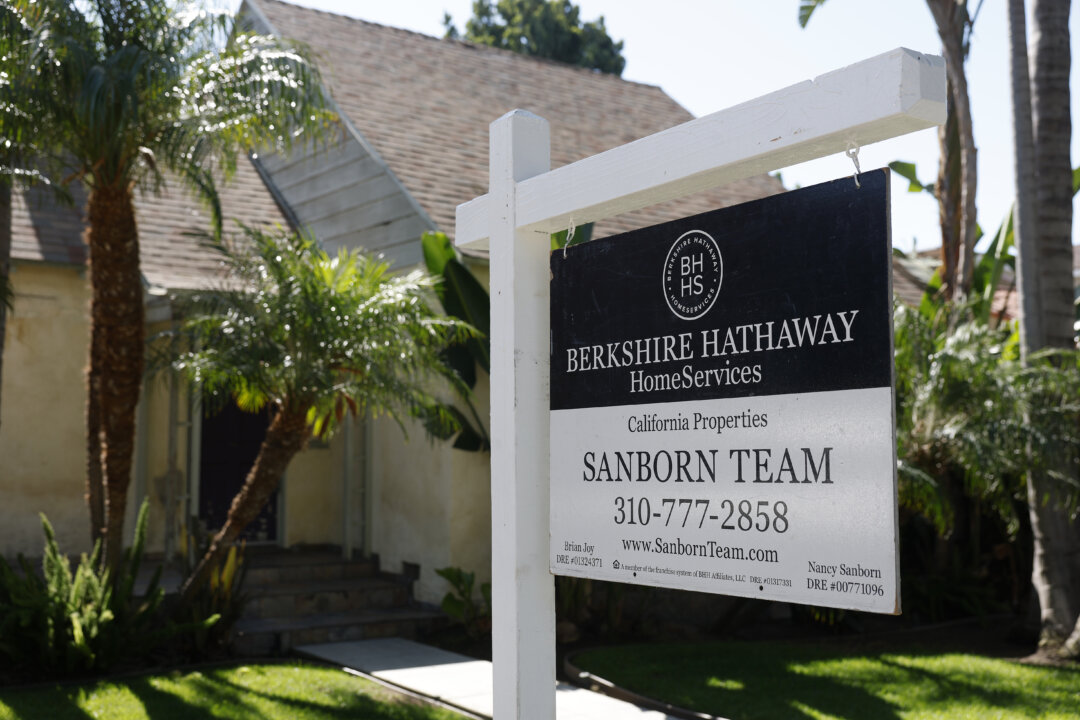
Des Moines, Iowa, ranked first and Los Angeles ranked last in Realtor.com’s inaugural report grading the 100 largest U.S. metros on housing affordability and homebuilding activity.
The results highlighted how local zoning and permitting can affect housing affordability in different areas.
The real estate platform’s first Metro Affordability and Homebuilding Report Card, released on Sept. 16, showed that Des Moines received an “A+” grade with a score of 83.4, the highest among the 100 metros analyzed, reflecting its strong residential construction activity and affordability.
The city has a median listing price of $349,903, with the monthly mortgage payment requiring 27.5 percent of a median-income household’s income, below the commonly cited threshold of 30 percent.
The calculation assumed a 10 percent down payment and a 30-year fixed-rate mortgage with a 6.5 percent interest rate.
At the other end of the list, Los Angeles received an “F” grade with a score of 12, leaving it at the bottom of the 100-metro ranking.
The median listing price in the city stands at $1.129 million, requiring a household earning the median income to spend 84.4 percent of its income on the monthly mortgage payment on a typical home, according to the report.
Meanwhile, the report said that local housing policies can help explain the gap between the highest- and lowest-performing metro areas in new home construction and affordability.
“Beyond land availability, the biggest difference between the ‘A’ metros and the ‘F’ metros is local housing policy, especially related to zoning and permitting,” Realtor.com senior economist Joel Berner said in the report.
“The ‘A’s share regulatory flexibility and streamlined approval processes, while the ‘F’s are locked in restrictive land-use frameworks.”
The report noted that Des Moines had a permit-to-population ratio of 1.85, meaning the city was issuing permits for new homes at a rate 85 percent higher than the national average relative to its population.
By contrast, Los Angeles’ ratio of 0.47 meant that the city was permitting less than half the national average relative to its population.
“The combination of extreme affordability pressure and limited new supply placed it at the bottom of the class,” the report noted.
Along with Los Angeles, New York City, Providence, Rhode Island, Honolulu, and Boston also had failing grades.
For example, Berner said, Boston has four times as many pages of zoning law as Austin, Texas, and 79 percent of its land is zoned, compared with just 15 percent in Austin.
Minimum parking mandates apply to 88 percent of land in Boston, while in Austin, the requirement is 37 percent.
Boston also has less land that allows unrestricted accessory dwelling units, limiting the supply of smaller, more affordable homes.
“The contrast between Austin and Boston makes clear that the rules governing what can be built can be just as consequential as the land available to build on,” Berner added.
Those top-ranked metros with less restrictive zoning and permitting also include: Raleigh, North Carolina; Columbia, South Carolina; Houston; and Indianapolis.
Regionally, the South and Midwest performed best for both new construction and affordability, while the Northeast and West lagged.
The report attributes the difference to more available and lower-cost land in the South and Midwest, in addition to more flexible zoning and permitting policies.
“Homebuilding and affordability are inseparable, and if we want to improve affordability in a lasting way, we need to build more homes,” Realtor.com chief economist Danielle Hale said in the report.
“The metros at the top of these rankings show that buyers benefit most when communities pair homes that are attainable for today’s local earners with enough new construction to support tomorrow’s demand.”
In its Sept. 16 report, the National Association of Home Builders (NAHB) and the Wells Fargo Housing Market Index found that builder confidence in September hit the lowest level since September 2025.
“Buyer traffic has weakened across much of the country, largely because of rising mortgage rates,” NAHB Chairman Bill Owens said in the report.
The average 30-year fixed mortgage rate was 6.95 percent for the week ending Sept. 17, up from 6.76 percent the previous week and 6.26 percent a year earlier, according to Freddie Mac.
Owens also said builders continue to face higher material costs, rising energy prices, and ongoing labor shortages.
NAHB chief economist Robert Dietz added that 42 percent of builders rated current lot availability as “poor,” and 38 percent as just “fair.”
According to Realtor.com, the United States remains short of more than 4 million homes, putting financial strain on first-time homebuyers.







Jimmy Lai’s Son Pleads for Ailing Father’s Release Ahead of Xi’s U.S. Visit
WASHINGTON—The son of imprisoned Hong Kong publisher Jimmy Lai has appealed for...

GM Defense Makes First Delivery for Lockheed’s Patriot Missile Program
A launcher of a Patriot air defense system of the Ukrainian Air...

Round-the-Clock Trading Closer After SEC Clears Path for Tokenized Stocks
The Securities and Exchange Commission (SEC) is inching closer to 24/7 trading...

5 Banks Failed. 2,080 Branches Closed. Now Comes Tokenization.
AdvertorialFive U.S. banks have already failed in 2026, and more than 2,080...