The Liberal government has introduced the Building Canada Strong Act, a major piece of economic legislation designed to streamline the infrastructure project review process and modernize the federal labour framework, as part of Ottawa’s nation-building ‘one project, one review, one year’ strategy.
Bill C-39, said by the government to be “the most comprehensive and ambitious reform to Canada’s ability to get big things built in a generation,” aims to attract fresh investment in national and regional roads, rail and ports by reshaping regulatory approvals while maintaining environmental standards and Indigenous rights.
“This [legislation] gives business the confidence to invest in Canada, accelerate projects, and drive long-term growth and prosperity that protects the environment and upholds Indigenous rights,” the Prime Minister’s Office said in a statement. “It will reshape the regulatory approvals process, maintain Canada’s rigorous standards and uphold Indigenous rights.”
Prime Minister Mark Carney framed the act as reflecting the need to break with a government culture of slow approvals for projects that were essential for national economic self-determination.
“Canada is a country of high standards, but high standards do not require slow decisions,” he said. “Our government is bringing speed, certainty, and predictability to how we build, so investors know that when Canada says it wants something built, Canadians will get it built.”
‘Strategic’ trade corridors
Central to the act is the establishment of a Transportation Projects Office — which will function “similarly” to the Major Projects Office set up last year in vetting key national and regional projects — and the designation of strategic trade corridors to carry goods and materials more swiftly across Canada and to ports for export.
The Ministry of the Environment and Climate Change would have the dual role of approving both a project’s environmental impact assessment and awarding the development permits, with the project then overseen by the “relevant ministry.” For example, a port expansion given an EIA would then be devolved to Transport Canada during construction and operation.
Dominic LeBlanc, minister responsible for Canada-US Trade, intergovernmental affairs, and One Canadian Economy, said the act expands on work Ottawa has undertaken to “build big and create certainty for a stronger, more competitive, and independent Canadian economy.”
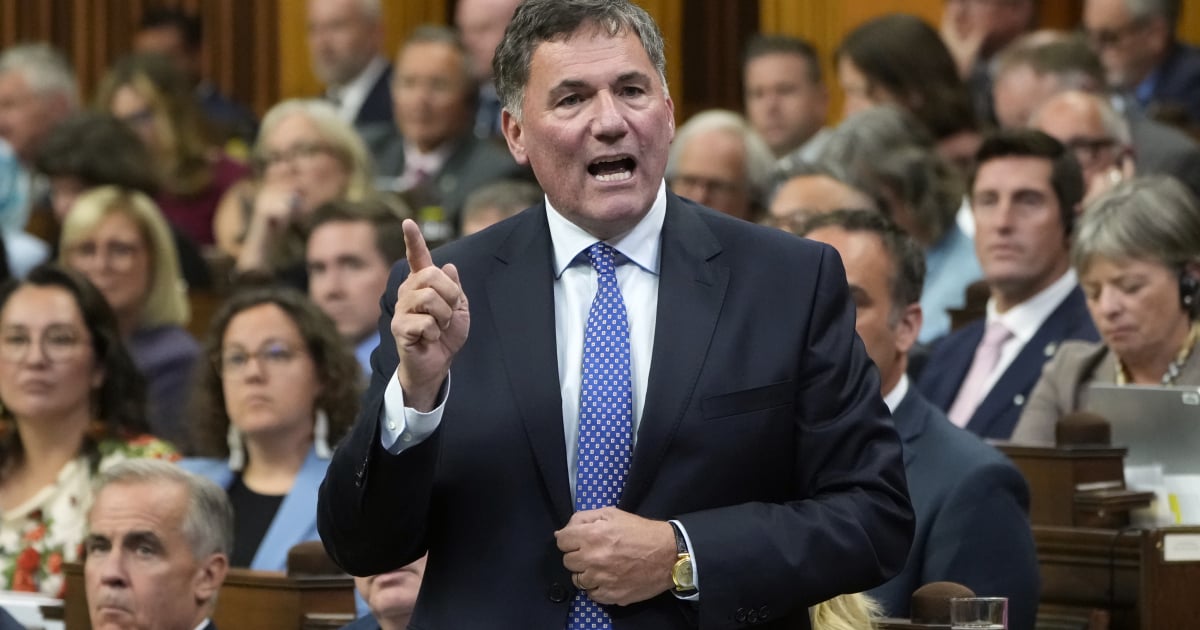
“The bill we have introduced today will create more efficient and predictable reviews and approvals for projects,” he told the members of the House of Commons on Monday, its first day back from summer break.
“The new process will establish clear federal review timelines to get shovels in the ground faster and reduce delays and duplication by streamlining approvals and coordinating permitting and assessment processes across ministries.”
‘Getting products to global markets’
Minister of Transport Steven MacKinnon said Canada’s future depends on “growing our economy and getting Canadian products to global markets efficiently and affordably.”
By modernizing the country’s transportation system and cutting project red tape, he said, “goods would move more quickly [along] strengthened supply chains.”
The act also amends the Canada Labour Code with the aim of improving labour protections in federally regulated industries, according to the government. The changes would bolster collective bargaining by “helping parties address issues earlier, reach agreements, and resolve disputes while protecting the right to strike,” said the government.
Patty Hajdu, minister of jobs and families, said the act would reinforce that “strong labour relations are essential to the success of Canadian workers, businesses and our economy.”
“Our labour laws must keep pace to ensure workers are protected and workplaces remain fair and safe,” she said. “This legislation will protect the right to strike while reinforcing the responsibility of unions and employers to negotiate in good faith, helping ensure workers and employers can continue to navigate challenges together.”
During parliamentary review, Ottawa plans collaboration with provincial, territorial, First Nations, environmental, industry and labour stakeholders to agree priorities for “economic growth and security, Indigenous reconciliation, and environmental protection, including through applying a mitigation hierarchy policy to project reviews and decisions” in alignment with Canada’s Nature Strategy.
September 21st 2026