Marc-Olivier Fortin: Debate seals the CAQ’s fate, as it faces annihilation
 Carson JeremaUpdated 3 hours Ago3 Mins read

Article content
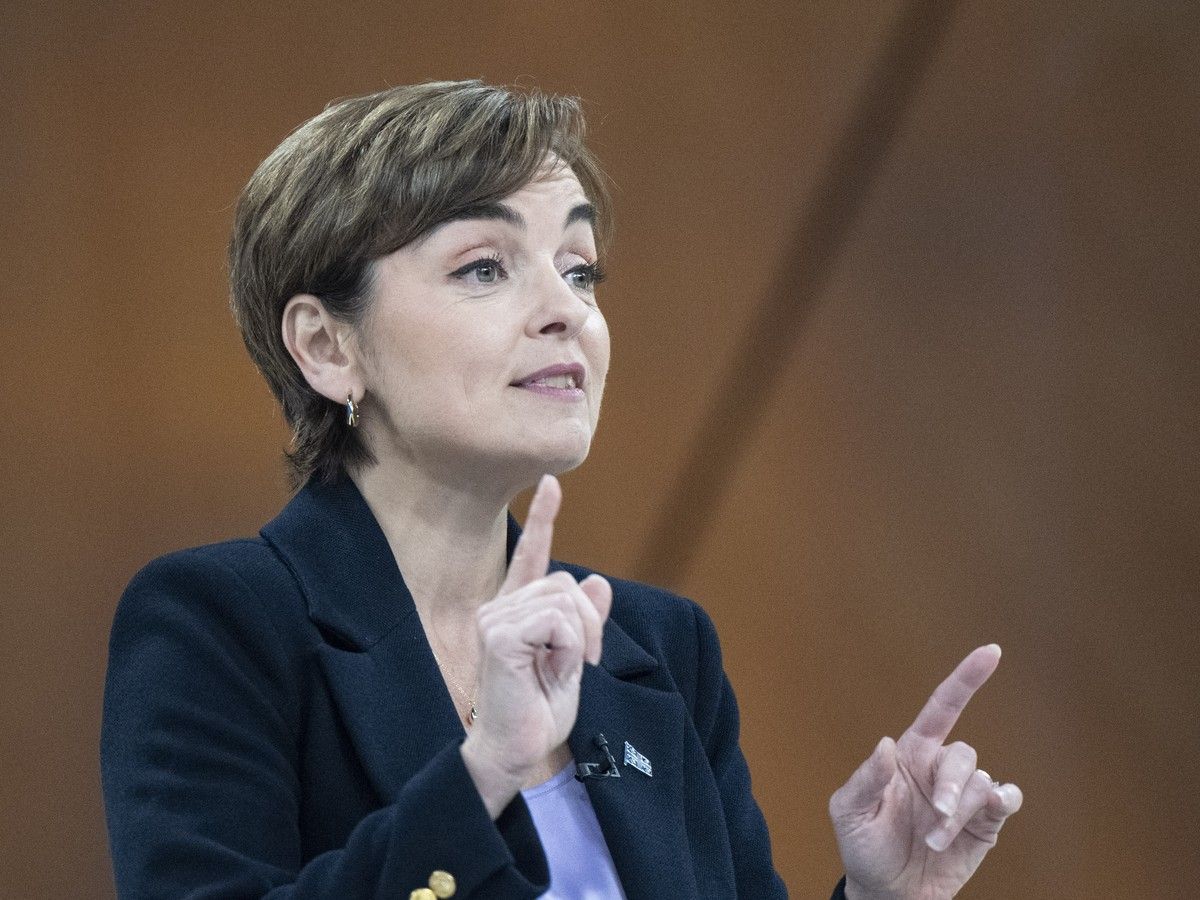
Quebec voters had one last opportunity Wednesday to hear the party leaders during the final televised debate. Parti Québécois leader Paul St-Pierre Plamondon (PSPP) rose to the occasion and stood out as a premier in waiting, more than ready to take the reins of power on Oct. 5.

THIS CONTENT IS RESERVED FOR SUBSCRIBERS
Enjoy the latest local, national and international news.
- Exclusive articles by Conrad Black, Barbara Kay and others. Plus, special edition NP Platformed and First Reading newsletters and virtual events.
- Unlimited online access to National Post.
- National Post ePaper, an electronic replica of the print edition to view on any device, share and comment on.
- Daily puzzles including the New York Times Crossword.
- Support local journalism.
SUBSCRIBE FOR MORE ARTICLES
Enjoy the latest local, national and international news.
- Exclusive articles by Conrad Black, Barbara Kay and others. Plus, special edition NP Platformed and First Reading newsletters and virtual events.
- Unlimited online access to National Post.
- National Post ePaper, an electronic replica of the print edition to view on any device, share and comment on.
- Daily puzzles including the New York Times Crossword.
- Support local journalism.
REGISTER / SIGN IN TO UNLOCK MORE ARTICLES
Create an account or sign in to continue with your reading experience.
- Access articles from across Canada with one account.
- Share your thoughts and join the conversation in the comments.
- Enjoy additional articles per month.
- Get email updates from your favourite authors.
THIS ARTICLE IS FREE TO READ REGISTER TO UNLOCK.
Create an account or sign in to continue with your reading experience.
- Access articles from across Canada with one account
- Share your thoughts and join the conversation in the comments
- Enjoy additional articles per month
- Get email updates from your favourite authors
Sign In or Create an Account
or
Article content
A Léger poll published on Tuesday put the PQ ahead at 29 per cent, the Quebec Liberals at 23 per cent, the governing Coalition Avenir Québec at 20 per cent and the Conservative Party of Quebec at 17 per cent. But the most important finding is where support lies among francophone voters, with the PQ sitting at 37 per cent and the CAQ behind13 points at 24 per cent. This advantage among francophone voters puts the PQ within striking distance of a majority government.
Article content
Recommended Videos
Article content
Article content
CAQ Leader and Premier Christine Fréchette, who tried to play the Trump card early in the campaign and build her electoral narrative on the need to protect Quebec’s economy from the Americans, is witnessing her house of cards collapse around her. As the campaign progressed, she could not keep the narrative alive. Her momentum deflated, she desperately needed a strong performance during this final debate.
Article content
By signing up you consent to receive the above newsletter from Postmedia Network Inc.
Article content
Unfortunately for her, the CAQ’s record kept holding her back. While she tried to talk about new initiatives in health care, her opponents were quick to remind viewers that during eight years of the CAQ government, emergency room waiting times increased by more than 40 minutes, or that her government failed to deliver on its promise to ensure everyone in the province had a family doctor. Fréchette tried to argue the economy was her strength, but she could not hide from the fact the province is facing some of the largest deficits in history. Liberal leader Charles Milliard had a good moment when he said that Quebec faces two major problems: the state of its economy and immigration, and pointed out that Fréchette had been the minister responsible of both during the François Legault years.
Article content
Article content
Fréchette sounded like a candidate running on a record from which she was also trying to escape. Whenever she could, she tried to bring the debate back to the possibility of a referendum on Quebec independence under a PQ government, but her rehearsed lines fell flat and uninspired. The CAQ does still retain meaningful support, but it is spread inefficiently across the province, leaving the party at risk of winning only a handful of seats or potentially none at all.
Article content
While Fréchette was busy sinking her own boat, the PQ leader did not miss his chance to showcase that he was ready to become premier. He was true to his principles, calm and held fast when attacked by the other leaders. He needed to show Quebeckers that his party, despite winning only three seats in the previous election, was mature enough to assume the reins of power and he did so successfully. PSPP was natural and appeared to speak from the heart. In his first 45 seconds, he wasted no time reminding voters the PQ was the party of change. Curiously enough, he was the weakest on sovereignty. Clearly, the threat of Trump’s tariffs has complicated his referendum ambitions, and he appeared uncertain at times about his own plans for independence.



From east to west: Why Turkey is playing both sides
Less than two months after his government hosted the NATO summit —...
Two more election defeats pile pressure on German chancellor Friedrich Merz
Friedrich Merz’s demeanour was grim as he stepped before the cameras on...
‘Small, flowering islands’: German city reveals how nature thrives when neighbours care for street tree beds
When Olivia Besters began caring for the patch of soil beneath the...
FIRST READING: ‘Indigenous reconciliation’ ranks at rock bottom of B.C. voter priorities
Article contentThe decision mentioned “reconciliation” twice in its final reasons, ruling that...