Marc-Olivier Fortin: The Parti Québécois cannot win a majority without putting separatism first
 Carson JeremaUpdated 5 hours Ago3 Mins read
Article content
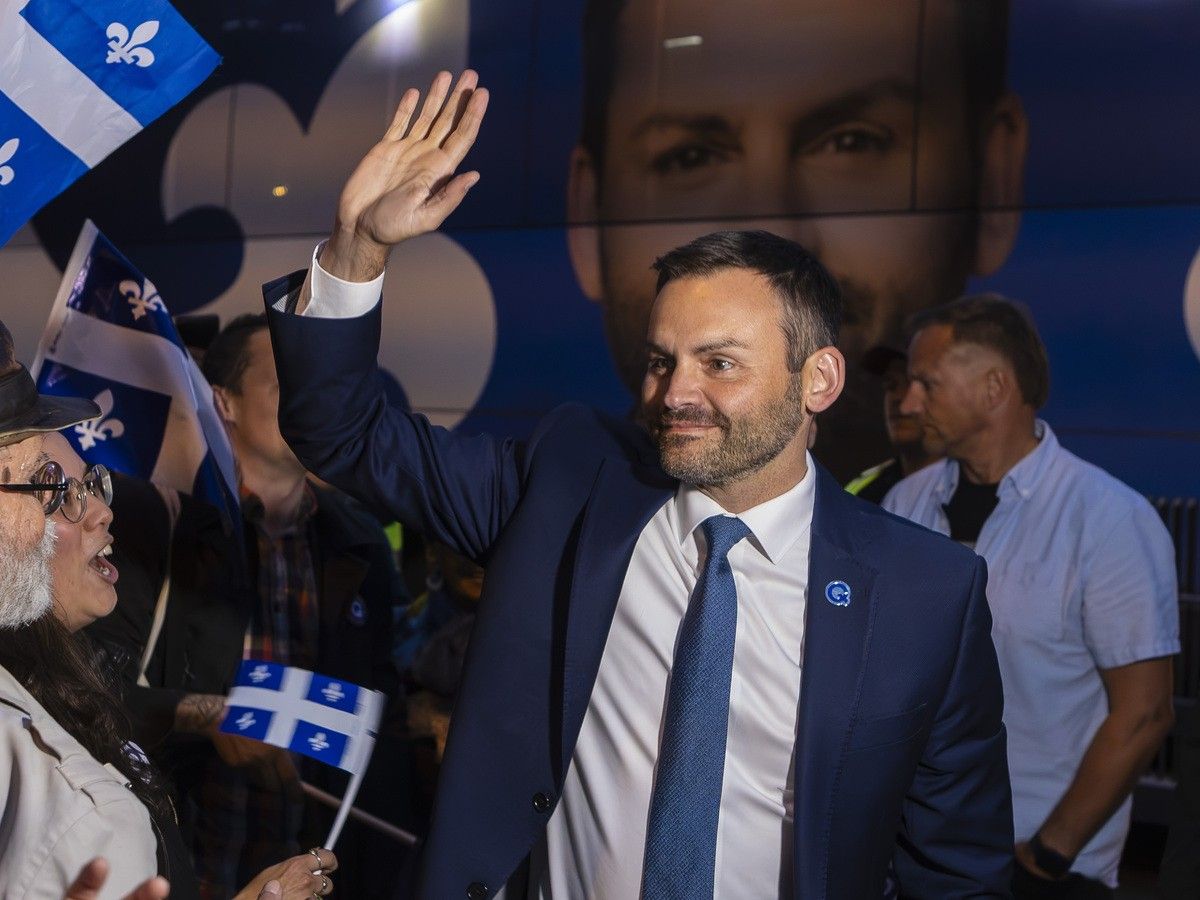
For four years, Parti Québécois Leader Paul St-Pierre Plamondon (PSPP) sharpened the spear of Quebec sovereignty. He told Quebecers the province was ready for a defining national moment. But when the election finally arrived, he left the spear in the tent.

THIS CONTENT IS RESERVED FOR SUBSCRIBERS
Enjoy the latest local, national and international news.
- Exclusive articles by Conrad Black, Barbara Kay and others. Plus, special edition NP Platformed and First Reading newsletters and virtual events.
- Unlimited online access to National Post.
- National Post ePaper, an electronic replica of the print edition to view on any device, share and comment on.
- Daily puzzles including the New York Times Crossword.
- Support local journalism.
SUBSCRIBE FOR MORE ARTICLES
Enjoy the latest local, national and international news.
- Exclusive articles by Conrad Black, Barbara Kay and others. Plus, special edition NP Platformed and First Reading newsletters and virtual events.
- Unlimited online access to National Post.
- National Post ePaper, an electronic replica of the print edition to view on any device, share and comment on.
- Daily puzzles including the New York Times Crossword.
- Support local journalism.
REGISTER / SIGN IN TO UNLOCK MORE ARTICLES
Create an account or sign in to continue with your reading experience.
- Access articles from across Canada with one account.
- Share your thoughts and join the conversation in the comments.
- Enjoy additional articles per month.
- Get email updates from your favourite authors.
THIS ARTICLE IS FREE TO READ REGISTER TO UNLOCK.
Create an account or sign in to continue with your reading experience.
- Access articles from across Canada with one account
- Share your thoughts and join the conversation in the comments
- Enjoy additional articles per month
- Get email updates from your favourite authors
Sign In or Create an Account
or
Article content
After winning only three seats and not even 15 per cent of the vote in the 2022 Quebec election, many thought that PSPP was only a transitional PQ leader. However, not only did he stay on, but he worked consistently to put independence at the forefront of his agenda. That steady work paid off. At its peak, the party led the polls, reaching 38 per cent support, according to aggregator qc125.com in last December, 16 points ahead of their closest opponent.
Article content
Recommended Videos
Article content
Article content
But, ahead of Tuesday’s election debate, that lead is now slipping through his fingers. What looked like a certain majority government a few months ago has become a much more uncertain position.
Article content
By signing up you consent to receive the above newsletter from Postmedia Network Inc.
Article content
In the lead-up to the election, PSPP has favored a big tent approach. While PQ leaders in the 21st century have been ideologically more left of centre, PSPP has been focusing his agenda on putting Quebec independence first and foremost, similar to what Lucien Bouchard and Jacques Parizeau did in the 1990s. For that, he knew he had to build a vast coalition of nationalists and bring more right-of-centre voters into the party’s coalition. In the years before the election, he has adopted policies that align with this line of thinking. From advocating for stricter immigration to denouncing wokeism, PSPP has pushed the party beyond the centre-left comfort zone it has occupied the last quarter century.
Article content
A staunch separatist, he has never shied away from defending his proposal to hold a referendum on Quebec independence in the first term of a PQ government. He was avoiding a critical mistake multiple PQ leaders have made in the past in moving away from their core raison d’être. PSPP’s immediate predecessor Jean-François Lisée pledged not to hold a referendum if elected. He won only 10 seats in 2018 and was forced to resign afterwards. In the 2012 election, former premier Pauline Marois pledged to hold a referendum only in a second term. All polls suggested that she was on track for a majority government, but on election day, she was held to a minority.
Article content
Article content
Bernard Landry followed a similar path in 2002. Elected on a sovereigntist mandate in 1998 with Bouchard, the PQ government spent years pursuing “winning conditions” rather than holding a third referendum many supporters expected. Landry, who took over the leadership before the end of the PQ’s term, proposed a 1,000-day timetable. He never came close to reaching it, losing power in 2003. Taken together, when PQ leaders allow sovereignty to become an afterthought, when it is their founding purpose, the base and core supporters tend to stay home.
Article content
Article content
And now, history appears to be rhyming once again.
Article content
PSPP spent four years convincing Quebecers that the province was ready for a rendezvous with history. However, right before the election campaign began, he argued that Quebec should wait until U.S. President Donald Trump leaves office before deciding its future. What he told Quebecers is that he does not believe in his own project enough to risk an election on it.
Article content
One can understand the temptation. On the campaign trail, voters are worried about Trump and the trade war. PSPP likely concluded that talking less about sovereignty when voters are looking for reassurance and stability would strengthen his chances of forming government. But great national projects have never been built on caution alone.


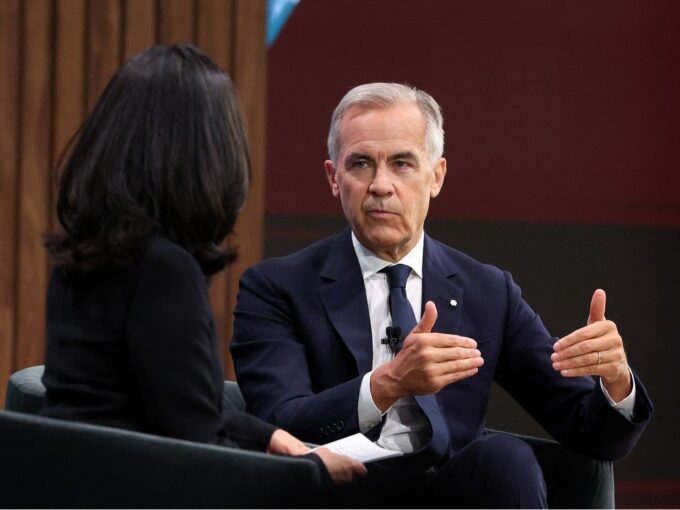
Carney says he’s ‘pleased’ with Stephen Harper’s support during investor summit
Prime Minister Mark Carney speaks during the second day of the inaugural...
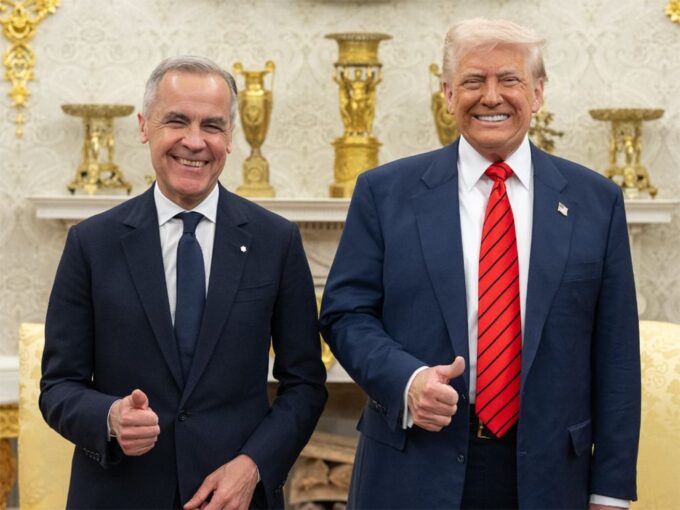
Carney says Trump’s White House gift came with odd warning: ‘Maybe they’ll shoot you’
Prime Minister Mark Carney and U.S. President Donald Trump at the White...
Former Toronto pharmacist convicted of sexual assault allegedly kidnapped, tortured by sex worker and ‘male friend’
Allen Siu Ming Chow, 73, previously served almost a decade for drugging...
Ukraine launches offensive against Russia near key town
FILE: Pedestrians walk past a placard reading "Together we are unbreakable" and...