
Advertorial
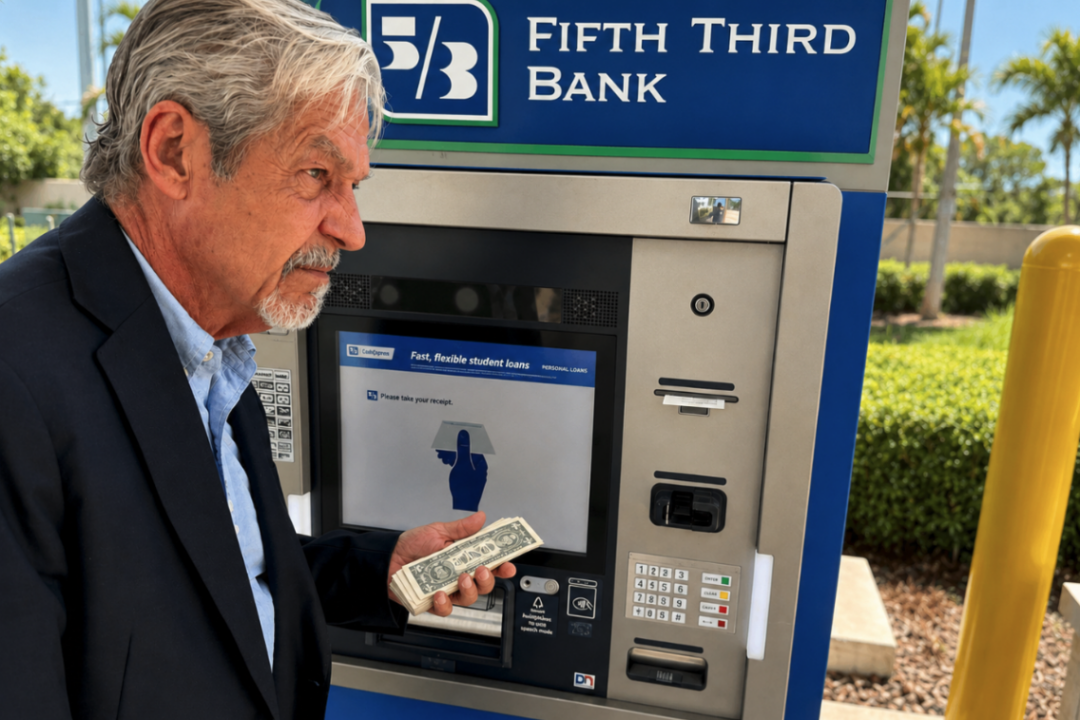
Bank branches keep disappearing, and most people have stopped noticing. Since Jan. 1, 2025, according to the FDIC’s own data, 2,006 branch offices have shut their doors to the public—not a projection but a plain count from the federal government’s own database. The place where you used to walk in and watch someone count your cash is quietly being replaced by an app, a login screen, and a rulebook almost nobody has read.
It isn’t isolated. Mark one date: Oct. 1, 2026. On that single day, three separate rulebooks (one federal, one state, one built into a new kind of money) all come due at once.
First, a word this story turns on: stablecoin—a digital token, not a coin you can hold or a bill from your wallet. It lives in an app, moves over the internet, and is designed to always be worth one dollar, backed by cash and short-term government debt you’ll never see. Unlike a Federal Reserve note, it isn’t legal tender. No business is required to accept it the way U.S. currency must be accepted to settle a debt. And using one requires a working smartphone, steady internet, and, almost always, an email address.
Rulebook one belongs to the Federal Reserve. Individual capital requirements for the nation’s largest banks fully take effect Oct. 1. If a bank’s capital ratio slips below the line regulators drew, the consequences are automatic: dividends restricted, buybacks restricted, bonuses restricted. No vote, no hearing.
Rulebook two is Florida’s. The same day, the state’s new payment stablecoin law takes effect, requiring issuers to back every token one for one with cash, qualifying deposits, and short-term Treasuries. It’s a regulatory highway for dollar-backed tokens, live, the same day the Fed’s deadline lands.
Underneath both sits a third layer: the federal GENIUS Act, signed into law in July 2025, requiring payment stablecoin issuers to lock reserves one to one into cash and short-term Treasuries. That reserve rule is statute; it’s already binding. What isn’t finished is the rulebook that governs how it’s enforced. Regulators still haven’t completed the rules covering verification, customer identification, and anti-money laundering compliance. The law is locked in. The fine print is still being written. Three rulebooks, one shelf of assets: cash, and the safest government paper there is.
One more thread: The people entrusted with the dollar’s future haven’t spoken with one voice. In 2023, then Sen. JD Vance told the Senate Banking Committee he wasn’t sure reserve currency status was even good for America: “I’m not sure I think reserve currency status is actually good for the United States. … It allows your consumers to consume very cheaply.”
Two years later, as vice president, he called dollar-backed stablecoins a “force multiplier” for the dollar’s reach. Notice what didn’t change: The tokens he’s championing still aren’t Federal Reserve notes.
Kevin Warsh, now running the Fed, disclosed dozens of crypto holdings before confirmation. By his own filings, most of it, nine figures’ worth, has since been sold.
In his first testimony as Chair, he said, “We do not want to be in the bailout business, full stop … including crypto.”
Treasury Secretary Scott Bessent has called for a “Bretton Woods realignment” of the International Monetary Fund and World Bank’s mandates. And on Aug. 14, 2026, the Office of the Comptroller of the Currency granted conditional preliminary approval for a national trust charter to World Liberty Trust Company, N.A., a subsidiary of World Liberty Financial (WLFI), tied to the Trump family’s business interests. It’s limited purpose (no FDIC deposits, no commercial lending) and stays conditional on $20 million in capital, a rounding error for a man who deals in billion-dollar real estate, plus approved leadership and GENIUS Act compliance.
Put those four threads together and ask a question: Does the group with the most influence over the dollar’s future sound like they’re rooting for the paper note in your wallet, or for what comes after it? Bessent’s reform remarks are real; a claim that he’s building a new global currency is not. That’s circulating online without a transcript, and we won’t hand it to you as fact.
None of this means your bank fails Oct. 1, that cash disappears, or that anyone’s deposits get seized; those conclusions go beyond what the statutes say. It means an old system built around the branch and a new one built around the token are hitting hard deadlines the same day. It’s a system being rebuilt in plain sight, one rule at a time.
One more detail: A meaningful share of Americans, many readers of this publication, don’t carry a smartphone, don’t check emails daily, and have never opened an online account. If the system is quietly rebuilding itself around apps and tokens, the fair question isn’t only, “Is this good policy?” It’s, “Who gets left holding cash once everyone else moves onto the new rails?” Nobody in Washington or Tallahassee has answered that. Ask your own bank what happens to someone who walks in once there’s no branch left to walk into.
Two free resources cover the full paper trail: branch closures, the Fed deadline, Florida’s law, the unfinished GENIUS Act rulebook, and the Vance/Warsh/Bessent/WLFI record. There is no cost and no obligation. Call 866-487-9106 and request your complimentary copies of The Digital Dollar Exposed and The Vanishing Dollar, no email or smartphone required, or claim them online right now at books.Dedollarizenews.com.
Two rulebooks. Four voices. One deadline. Precision is the product. Read the sources, not just the headline.
By calling the number above or visiting books.Dedollarizenews.com, you authorize Dedollarize News, its agents, or one of its representatives to contact you in order to get you the free information you’ve requested.
Compliance Disclosure: The content above is for informational purposes only and is not a recommendation to buy, sell, or hold any asset. All financial decisions involve risk and should be made in consultation with licensed professionals who understand your individual circumstances. Program eligibility and terms may vary.
Third-party advertisements and links to other sites where goods or services are advertised aren’t endorsements or recommendations by The Epoch Times of the third-party sites, goods, or services. The Epoch Times takes no responsibility for the content of the ads, promises made, or the quality/ reliability of the products or services offered in all advertisements.