Question Period Exchange Sees Poilievre Push Carney on Affordability as PM Emphasizes US Response
 Paul Rowan BrianUpdated 2 days Ago2 Mins read
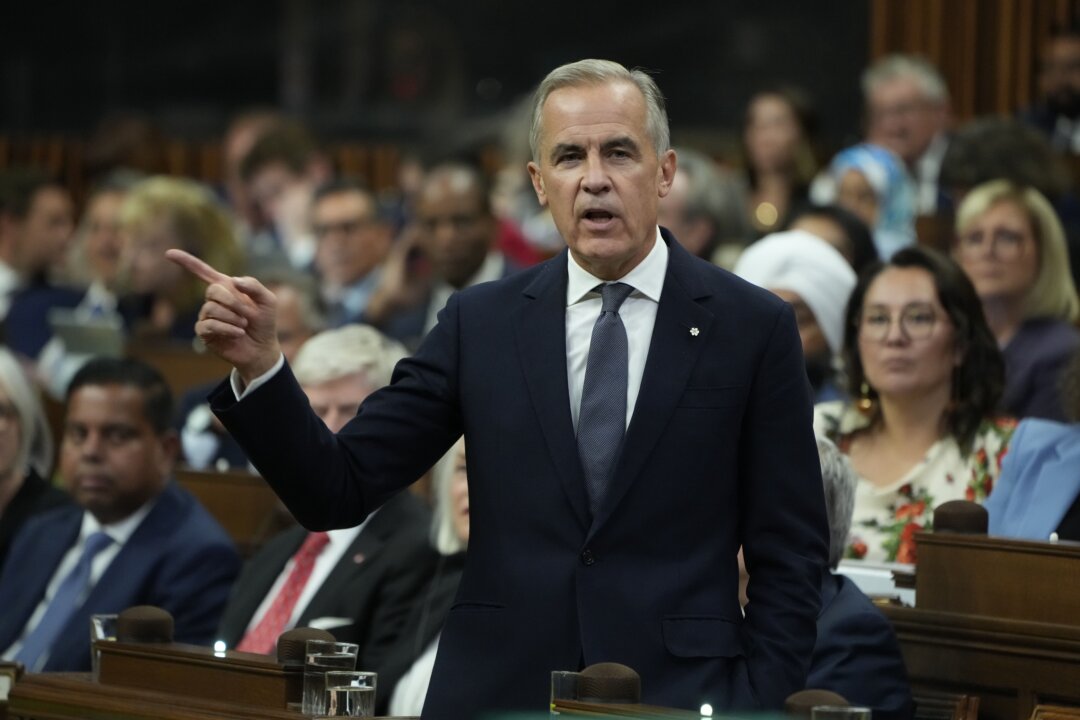
As the House of Commons returned from the summer break, Prime Minister Mark Carney fielded questions about affordability from Conservative Leader Pierre Poilievre, while touting his government’s response to U.S. tensions.
The Tory leader pressed Carney on the cost of Canada’s counter-tariffs and criticized his performance on the economy, while the prime minister said his government is taking steps to create jobs and become more economically independent from the United States.
“The Conservatives’ message is clear: we will fight for you to save you money for groceries, for gas, for your mortgages and your rent, because you are working hard, but this Liberal Prime Minister is costing you far too much,” Polievre said Sept. 21 in Question Period.
Specifically, Poilievre said the government has greatly increased inflation via deficit spending and taxation, referencing comments Carney made about affordability being the best it’s been for 10 years this past March.
“Does the Prime Minister still believe that affordability is at its best over the last 10 years, like he said, or will he finally admit that Canadians are paying more than ever before?” Poilievre asked on Sept. 21.
Carney responded with reference to various Liberal government measures he said are tackling the issue of affordability.
“This government will continue to work tooth and nail to make Canadians’ lives more affordable, with tax cuts for 22 million Canadians, with the reduction and elimination of GST for new homes, with the extension of the gas excise tax reduction, and with the groceries and essentials benefit,” Carney said.
Poilievre cited the experience of a man he identified as Justin who he said has begun skipping meals he can’t afford, as well as a Mississauga woman named Lola who he said was working two jobs in order to afford groceries, calling Carney “absolutely out of touch.”
“She can’t eat speeches, summits, or signing ceremonies,” Poilievre said.
In response to the renewed criticism by the Conservative leader, Carney said Canada faces “three wars,” all of which are contributing to higher prices.
“There are three wars affecting Canadians: the tariff war from the Americans, the war against Iran, the war against Ukraine. They are pushing up fuel prices. They are pushing up grocery prices,” Carney said.
Poilievre disputed the answer, arguing that federal deficits and taxes were themselves contributing to rising costs for Canadians, stating that Carney had “doubled the deficit” and worsened inflation.
Digital Services Tax
During another exchange in Question Period Sept. 21, Bloc Québécois Leader Yves-François Blanchet asked Carney whether he would walk back his past reversal of the digital services tax and related rules around Canadian content for streamers, given that trade negotiations with the U.S. failed last month.
Carney said he would not change his mind about the tax, replying “no” when asked.
The digital services tax was introduced in 2024 retroactive for two years and put a 3 percent levy in place on certain Canadian revenues earned by large tech companies, such as Amazon, Google and Meta. Ottawa got rid of the tax in June 2025 after U.S. President Trump cited it in stopping trade talks with Canada.
The Canadian content rules previously obligated large streamers to give part of their revenue in Canada to indigenous and Canadian content and was later replaced in June 2025 by with $600 million per year in federal funding, with Carney stating the shift wasn’t due to U.S. pressure.






Ahead of Trump–Xi Summit, Democrats Call for Tighter China Chip Controls
President Donald Trump and First Lady Melania Trump welcome Chinese leader Xi...
Senator Tells Data Centre Developer to Drop Project Planned 20 Metres From Homes
An executive from AI data centre operator Goodman Group has been urged...
US Invites Putin to Miami G20
(Left) U.S. President Donald Trump in Washington on Aug. 18, 2025. (Right)...
Australia, Netherlands Strengthen Ties with New Strategic Partnership
Australian Prime Minister Anthony Albanese has signed a new strategic partnership with...