Senator Tells Data Centre Developer to Drop Project Planned 20 Metres From Homes
 Rex WiderstromUpdated 1 hour Ago2 Mins read
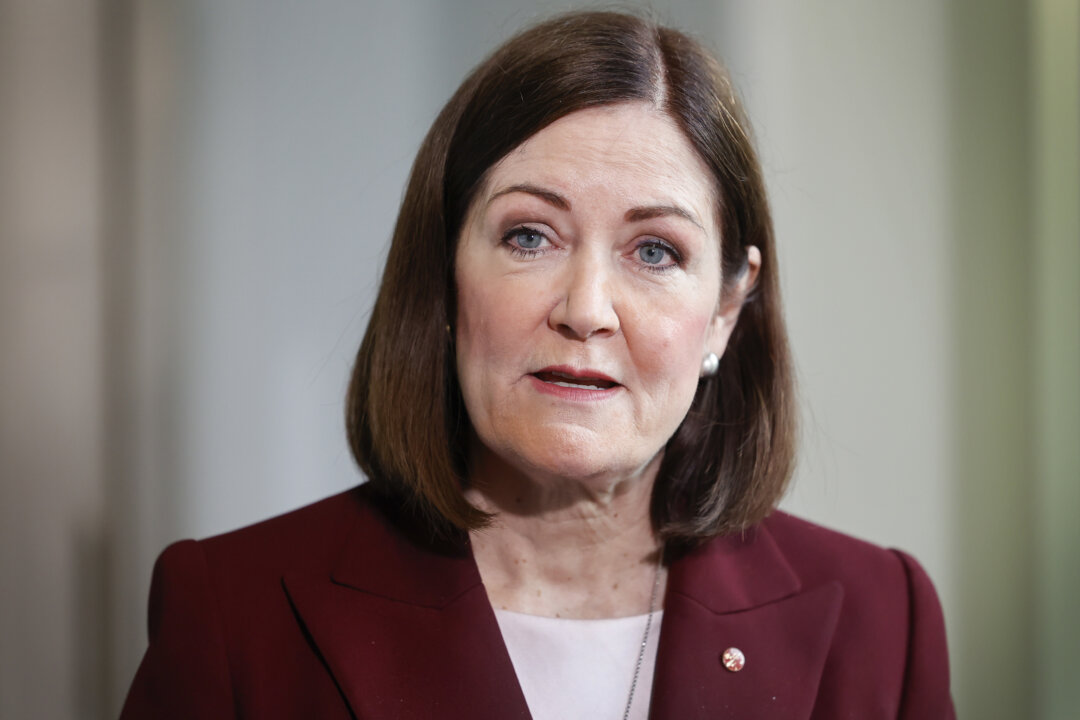
An executive from AI data centre operator Goodman Group has been urged to drop the company’s proposed Sydney data centre project because of its proximity to nearby homes.
Ben McGilp, Goodman’s general manager of development, was giving evidence to the Senate Environment and Communications References Committee’s inquiry into artificial intelligence and data centres.
Tom McKellar, vice president of origination and market expansion at AirTrunk, another data centre operator, appeared alongside him.
Senator Sarah Henderson asked McGilp about Goodman’s proposed data centre at Lane Cove, in Sydney’s north.
She said evidence given earlier that day put it 16 metres from a home, while McGilp said it was “20 metres from memory.”
Planning documents describe the Lane Cove development, known as Project Mars, as a $1.2 billion (US$850 million), 90-megawatt facility covering 22,000 square metres.
Plans lodged with the NSW Planning Portal include 49 diesel generators and storage for well over one million litres of diesel fuel. The nearest homes are less than 50 metres away, while Lane Cove West Public School is about 160 metres from the site.
Henderson told McGilp the proposal “shows contempt for local residents” and asked the company to drop it.
“I think that you need to be responsible corporate citizens, and the idea of building a data centre 16 or 20 metres from someone’s home or from a residential community is surely completely unacceptable,” she said.
“And Goodman should immediately today reassess its plans.”
In response, the general manager did not make any commitment, saying “we’re not at the point where we’ve made a decision about what next to do with this planning proposal,” and that a decision was expected “by the end of the year.”
He admitted that Goodman does not yet have “social licence” for the project.
AirTrunk’s Data Centre Projects
McKellar gave the committee specific figures for AirTrunk’s own Lane Cove facility. He said it sits 600 metres from the nearest residential boundary, with one tower around 220 metres away. The facility currently has 86 megawatts of capacity, with a further 40-megawatt expansion underway.
AirTrunk has invested more than $10 billion across four data centre campuses in Sydney and Melbourne and now runs more than 755 megawatts of capacity nationally, McKellar told the committee.
Five more campuses are planned, adding a further 1.2 gigawatts. They include a new site at Kurri Kurri, in the Hunter region, on the site of a former aluminium smelter, where AirTrunk has pledged $37 million for local infrastructure.
Goodman, by contrast, has one data centre under construction in Australia, at Artarmon, and one advanced proposal, the site at Lane Cove. McGilp said 75 percent of Goodman’s global property portfolio sits outside Australia.
The question of where data centres should be located is becoming a national policy issue.
Deputy Prime Minister Richard Marles said earlier this month that remote locations could be appropriate for new AI data centres, saying facilities should not be built in highly populated areas and that community “social licence” was important.
Meanwhile, Victoria announced a new policy for data centres in that state on the same day as the hearing, requiring a 150-metre buffer between new facilities and homes and banning new data centres in residential zones.
While the federal government’s “expectations” document for data centre developers, released in March, sets out broad requirements on energy, water and local jobs, it does not specify a minimum distance from housing.
Senator David Pocock questioned McKellar about the health risks of diesel exhaust near homes, as the vice president acknowledged that AirTrunk stored about 2,000 kilolitres of diesel across its facilities for backup power.
“If you’re half a [kilometre] from a community, there’s going to be a fair bit of diesel particulate in the air,” Pocock said.
McKellar said AirTrunk’s generators were enclosed and fitted with noise suppression and filtration systems. However, he could not say how much diesel was burned each month during routine testing or provide details about the filters used.







Ahead of Trump–Xi Summit, Democrats Call for Tighter China Chip Controls
President Donald Trump and First Lady Melania Trump welcome Chinese leader Xi...

Tech Giant Feared Its AI Tools Started a Commercial ‘Doom Loop,’ New Documents Reveal
AI executives allegedly knew their products could unlawfully harm businesses, flood the...

US Invites Putin to Miami G20
(Left) U.S. President Donald Trump in Washington on Aug. 18, 2025. (Right)...
Australia, Netherlands Strengthen Ties with New Strategic Partnership
Australian Prime Minister Anthony Albanese has signed a new strategic partnership with...