Tasha Kheiriddin: Airport privatization is now on the ‘Canada Strong’ agenda
 Tasha KheiriddinUpdated 1 hour Ago3 Mins read
Article content
Prime Minister Mark Carney has spent the last year and a half asking Canadians to embrace his “Canada Strong” agenda. We’ve all heard the slogans: Build more. Invest more. Approve projects faster. But while much of his plans depend on state action, they also require attracting private capital — and in some cases, trading on the value of public assets currently sitting on the government’s books.

THIS CONTENT IS RESERVED FOR SUBSCRIBERS
Enjoy the latest local, national and international news.
- Exclusive articles by Conrad Black, Barbara Kay and others. Plus, special edition NP Platformed and First Reading newsletters and virtual events.
- Unlimited online access to National Post.
- National Post ePaper, an electronic replica of the print edition to view on any device, share and comment on.
- Daily puzzles including the New York Times Crossword.
- Support local journalism.
SUBSCRIBE FOR MORE ARTICLES
Enjoy the latest local, national and international news.
- Exclusive articles by Conrad Black, Barbara Kay and others. Plus, special edition NP Platformed and First Reading newsletters and virtual events.
- Unlimited online access to National Post.
- National Post ePaper, an electronic replica of the print edition to view on any device, share and comment on.
- Daily puzzles including the New York Times Crossword.
- Support local journalism.
REGISTER / SIGN IN TO UNLOCK MORE ARTICLES
Create an account or sign in to continue with your reading experience.
- Access articles from across Canada with one account.
- Share your thoughts and join the conversation in the comments.
- Enjoy additional articles per month.
- Get email updates from your favourite authors.
THIS ARTICLE IS FREE TO READ REGISTER TO UNLOCK.
Create an account or sign in to continue with your reading experience.
- Access articles from across Canada with one account
- Share your thoughts and join the conversation in the comments
- Enjoy additional articles per month
- Get email updates from your favourite authors
Sign In or Create an Account
or
Article content
Article content
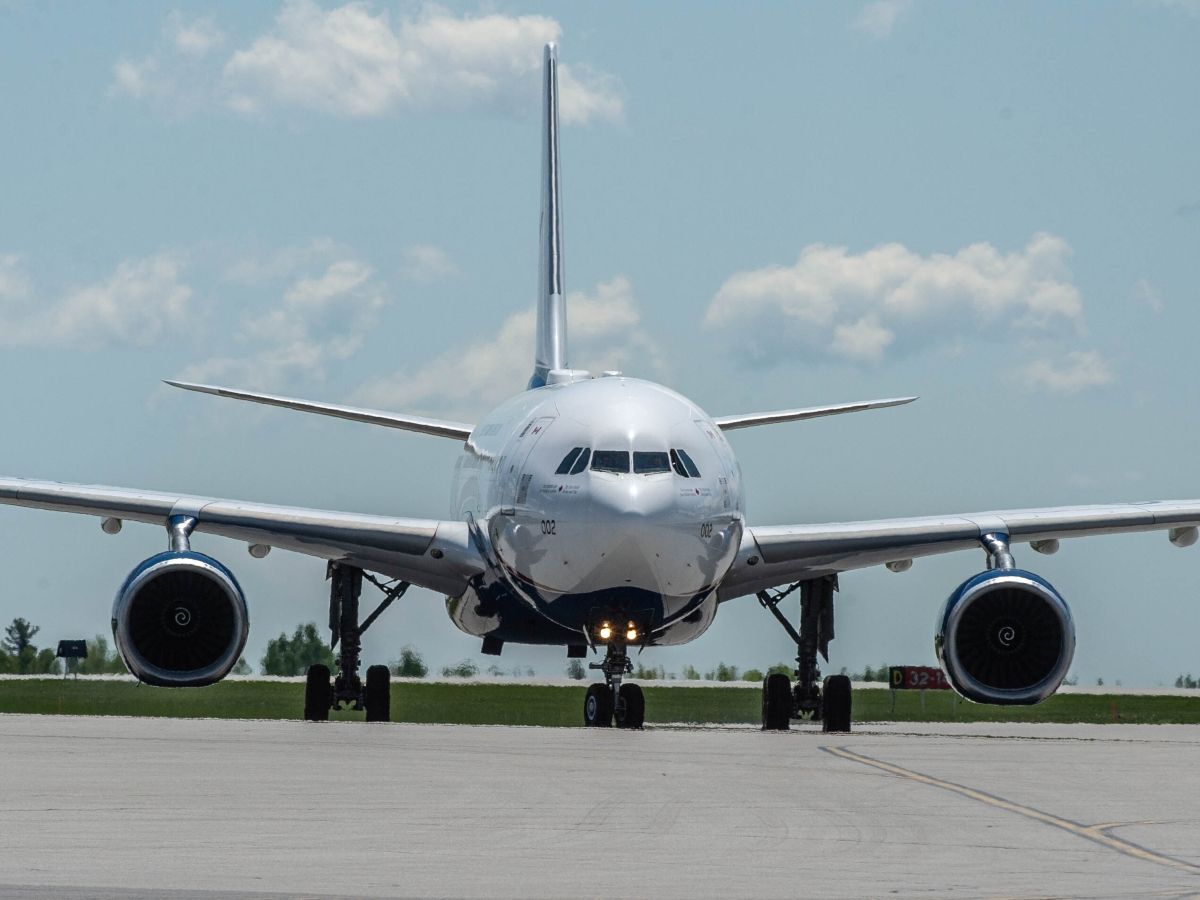
Now Canadians are about to discover what that means for their local airport. Last week, Carney announced that Ottawa will seek private investment through long-term concessions to operate Canada’s four largest airports: Toronto Pearson, Montreal-Trudeau, Vancouver and Calgary. The government would retain ownership of the underlying land and assets, while private operators would obtain the operation rights.
Article content
Recommended Videos
Article content
By signing up you consent to receive the above newsletter from Postmedia Network Inc.
Article content
The economic case for doing this is an immediate infusion of up to $40 billion into federal government coffers, which will help offset Canada’s ballooning deficits. That compares to the $8.4 billion in rents Ottawa has collected from its airports since establishing the non-profit corporations that run them close to 30 years ago, including $556 million in 2025.
Article content
Privatization could also provide the estimated $28 billion in capital needed to upgrade airport infrastructure over the next decade. Carney has also suggested that proceeds from concessions at the big four airports could support investment in smaller regional airports.
Article content
But politically, Carney is taking a considerable risk. Airports are not a mine in the backwoods of northern Ontario. They’re one of the government’s most highly visible assets: five million passengers transit through our eight largest airports every month. If privatization gets your luggage on the carousel faster, passengers will notice. If it produces higher fees, more expensive parking and little discernible improvement, they’ll notice that too.
Article content
Article content
And there will probably be a mix of both. Unlike not-for-profit operators, private operators will need to deliver shareholder value — and that means maximizing profits wherever possible. That could mean everything from using non-union labour to higher fees for a variety of services. If you’re already irked by extra baggage fees charged by airlines, just wait until you get hit with a $19 charge to drop off a passenger, like at London Gatwick Airport in the U.K.
Article content
There are indications the political ground may have shifted. A recent poll by Spark Insights found that three in four Canadians believe that airport infrastructure “would be operated more efficiently if done by a pension fund or other investor that has experience operating infrastructure.”
Article content
The notion of the Canada Pension Plan purchasing the lease may comfort Canadians who would see themselves as the beneficiaries of the investment as well. But there’s no guarantee the CPP would buy the concession if a higher bidder came along. And that could raise alarm bells for anyone who remembers the last time a major concession was sold for public infrastructure in this country: Ontario’s Highway 407.




Afternoon front page: Synagogue shooting suspect dies; CBC journalist has run-in with protesters outside Yom Kippur service; and more
Sean Ward, the suspect in a shooting outside a Belleville, Ont., synagogue....
Avi Lewis defends Yom Kippur message called ‘despicable,’ claims critics are after ‘partisan points’
New Democratic Party leader Avi Lewis speaks during a press conference in...

Made in Canada: Pumpkin spice is nice, but have you tried banana bread? Five seasonal scents to fall for
Article contentWe always know when fall is in the air because, well,...
John Ivison: Carney throws the NDP a lifeline with his new labour bill
New Democratic Party leader Avi Lewis speaks during a press conference at...