Terrorists Jailed in Sri Lanka for Easter Sunday Bombings in 2019
 Chris SummersUpdated 2 hours Ago3 Mins read
Fifteen men were sentenced in Sri Lanka on Tuesday for helping to organize a series of suicide bombings—inspired by the ISIS terrorist group—on Easter Sunday in 2019 that killed 267 people in churches and hotels.
Three churches were hit during Easter services and dozens of tourists were targeted at two hotels and an apartment complex during the attacks on April 21, 2019.
Among those killed by the bombs were 42 foreigners, while 574 people were also wounded, many of them seriously.
After legal proceedings that extended for five years, a three-judge panel at the High Court in Colombo convicted 15 men and sentenced them to at least 200 years each, while nine others were acquitted on all charges. Another defendant died in prison during the trial.
The panel also ordered all their property to be confiscated under the country’s anti-terrorist law.
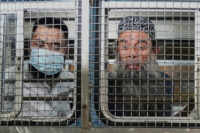
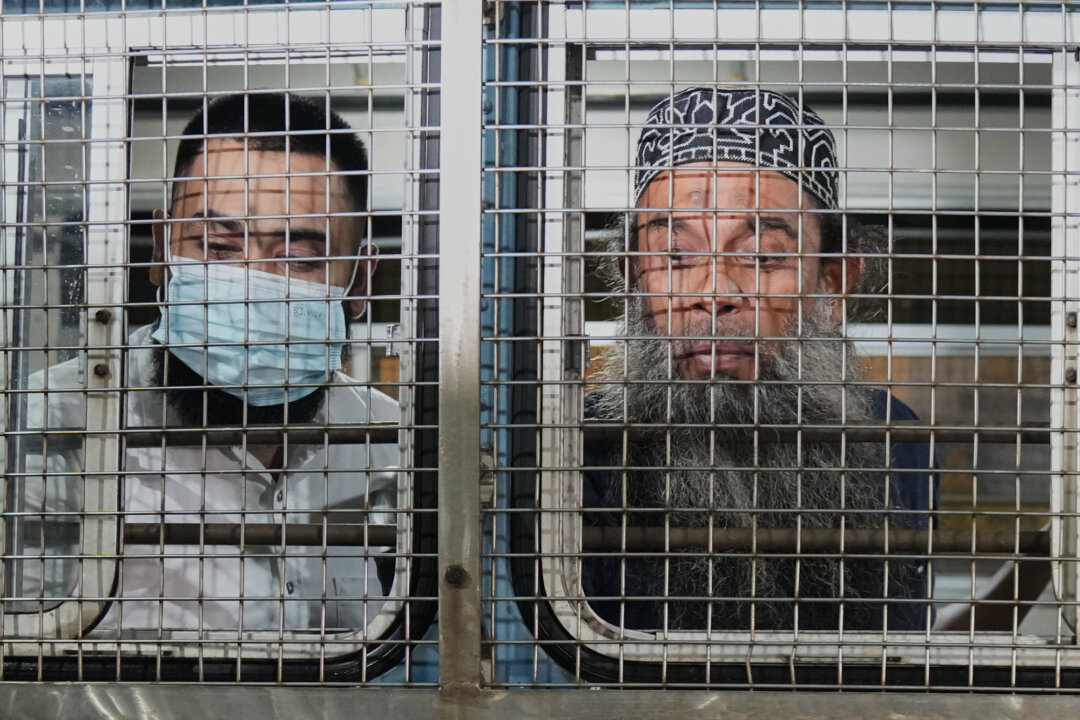
One of the 15 was Mohamed Ibrahim Mohamed Naufer, an Islamic cleric and the perceived mastermind of the attacks.
Related Story

Naufer did not ask for leniency from the secular court.
“According to Islam, no religious leader should plead with the authorities over any matter. Therefore, I do not wish to state anything,” Naufer said, before he was sentenced to 220 years in prison with hard labor.
‘God Will Judge Everyone’
“What I did or didn’t do only God and I know,” another of the convicted men, Mohamed Ibrahim Saadiq Abdulla, said. “In the end, all people will be resurrected, and God will judge everyone.”
He was given 240 years in prison with hard labor.
The six suicide bombers were killed outright, but in 2021, the authorities filed 23,270 charges against 25 suspects—all Muslims—accused of planning or inspiring the attacks.
The charges included murder, conspiracy to commit terrorism, and firearms and explosives offenses under the Prevention of Terrorism Act.
The 15 have the right to appeal to the Supreme Court, but it was not immediately clear whether any of them had legal representatives who could comment on their behalf.

A view of St. Sebastian’s Church, which was damaged by a suicide bombing in Negombo, north of Colombo, Sri Lanka, on April 21, 2019. Chamila Karunarathne/AP
The prosecutors said the bombers and their organizers had deliberately chosen targets with the intent of killing Christian worshippers and tourists.
The court was shown a video recorded on April 20, 2019, in which masked men pledged allegiance to Abu Bakhr al-Baghdadi, the then-leader of the ISIS terrorist group, and pledged to fight to make Sri Lanka an Islamic nation. Al-Baghdadi was killed in October 2019.
It was the worst terrorist attack in Sri Lanka since 2009, when a war in the north and east of the country, between the government and the Tamil Tigers, ended.
The Tigers were members of the island’s Tamil minority—which is overwhelmingly Hindu—while the government drew most of its support from the Sinhalese majority, which is largely Buddhist.
Muslims Less Than 10 Percent in Sri Lanka
Sri Lanka has long been home to Muslim and Christian minorities, but the attack was the first by Islamic extremists. Muslims make up less than 10 percent of the population.
At the time of the bombing, it was suspected that a radical Sri Lankan Muslim group called National Thowheeth Jama’ath (NTJ) was implicated.
After the attacks, then-Prime Minister Ranil Wickremesinghe said Sri Lanka’s intelligence services had received warnings about possible suicide bombings at “prominent churches” 10 days before.
Wickremesinghe said that the warning to Sri Lanka’s police from a foreign intelligence agency, which identified NTJ as planning suicide attacks, had not been acted on.
In July this year, a former police chief, Pujith Jayasundara, and former Defense Ministry Secretary Hemasiri Fernando were both sentenced to death for failing to act on the tip-off. Sri Lanka has not carried out an execution since 1976, and is likely to commute their sentences.
Rev. Jude Krishantha Fernando, a spokesman for the Archdiocese of Colombo, said the church was satisfied with the outcome of the terrorists’ trial.
“These suicide bombers are not isolated people,” he said. “They were used for another purpose: to take power.”
Rev. Dilan Perera, a priest, said the verdict was a blow against fundamentalism.
“We are living in a multi-cultural, multi-national, and multi-religious country,” Perera said. “There cannot be one religion coming like this and leading up to killing and destroying other people.”
The Associated Press contributed to this report.

Mother describes chaos and determination inside Belleville synagogue; suspect reportedly blamed Jews for COVID; and more
Sharlene Weitzman, right, and Jennifer Aronson, were among the roughly two dozen...

‘Broke all of our hearts’: Families give testimony at Kenneth Law sentencing
Article contentThe loved ones of Maurizio Vadala, who dies aged 36 in...
’You’re not killing him’: Jewish mother tells how she shielded son during Belleville synagogue shooting
Article contentAs people began to make their way inside the sanctuary for...
Michael Higgins: ICJ risks destroying credibility if it redefines genocide
This general view shows the logo of the International Court of Justice...