Tung Chee-hwa, Hong Kong’s First Leader Under Chinese Communist Rule, Dies at 89
 Arthur ZhangUpdated 5 hours Ago2 Mins read
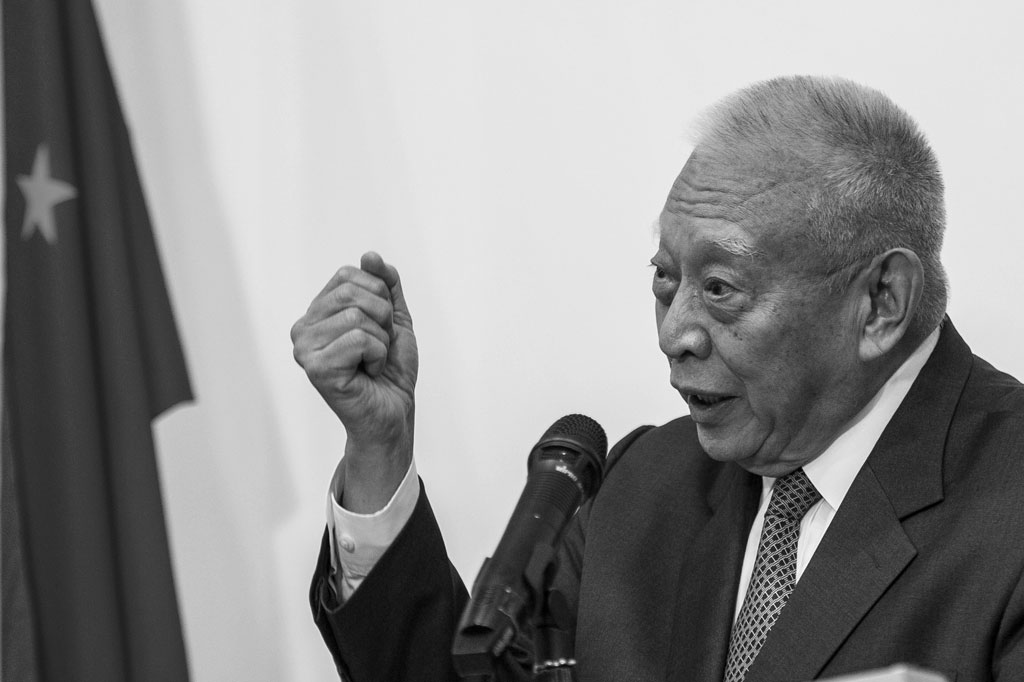
Tung Chee-hwa, Hong Kong’s first chief executive after Britain turned over the territory to communist China, died on Sept. 8 at age 89.
Tung, a Shanghai-born shipping businessman, was chosen in December 1996 by a 400-member selection committee established to select Hong Kong’s first post-handover chief executive. He received 320 votes and took office on July 1, 1997.
Hong Kong residents did not elect the chief executive by universal suffrage. When Tung sought a second term in 2002, a candidate needed nominations from at least 100 members of an 800-member Election Committee.
After Chinese leader Jiang Zemin and other senior Beijing officials publicly backed Tung for another term, Tung secured nominations from 714 of the committee’s 800 members. In February 2022, he was re-elected uncontested after the nomination period closed.
Tung’s administration later faced a major political crisis over proposed legislation under Article 23 of Hong Kong’s Basic Law.
Article 23 requires Hong Kong to enact laws against treason, secession, sedition, subversion against the Chinese central government, theft of state secrets, and certain political activities or ties involving foreign organizations.
The proposal drew broad opposition from Hong Kong residents, lawyers, rights advocates, and others. The Hong Kong Bar Association said in July 2003 that some of the bill’s legal definitions were imprecise. It warned that this posed a threat to political expression and the ability to seek information through the media.
On July 1, 2003, about 500,000 people took to the streets, according to organizers, while Hong Kong police estimated the turnout at 350,000. It was one of the largest demonstrations in the territory in decades.
Tung’s government postponed the bill after the protest and withdrew it in September 2003.
His tenure also encompassed the Asian financial crisis and the 2003 SARS outbreak.
Citing health problems, Tung resigned in March 2005, more than two years before his second term was due to expire.
After leaving the chief executive’s office, Tung served as a vice chairman of the Chinese People’s Political Consultative Conference from 2005 until 2023.
Article 23 Enacted 2 Decades Later
After Beijing imposed a separate national security law on the city in 2020, Hong Kong authorities again moved to enact Article 23 legislation more than 20 years after the first attempt.
In March 2024, Hong Kong’s legislature unanimously passed the Safeguarding National Security Ordinance, fulfilling the Article 23 requirement. The law took effect on March 23 and covers offenses including treason, sedition, espionage, sabotage, theft of state secrets, and external interference.
The law was soon used in cases involving political expression.
On May 28, 2024, Hong Kong national security police made the first arrests under the new law, detaining six people on suspicion of sedition. Amnesty International said the case involved social media posts tied to the approaching anniversary of the June 4, 1989, Tiananmen Square Massacre in Beijing.
Security Secretary Chris Tang said the posts were intended to provoke hatred against the Chinese central government, the Hong Kong government, and the judiciary.
Among those arrested was Chow Hang-tung, a former leader of the group that organized Hong Kong’s annual Tiananmen vigils. Amnesty International said the arrests targeted peaceful efforts to commemorate the massacre.





Prosecutors in Huawei Criminal Trial Allege Company ‘Cultivated Culture of Crime and Corruption’
NEW YORK CITY—Prosecutors in the criminal trial against Chinese telecoms firm Huawei...
US Sanctions Chinese Scam Network After DOJ Interdicts Illegal Online Marketplace
The U.S. government imposed sanctions on Sept. 9 against a Chinese-run online...
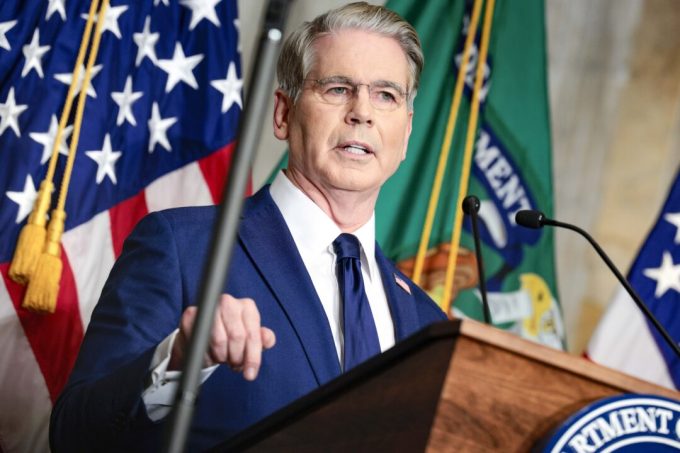
Bessent: ‘Nothing Else Matters’ If China Pulls Ahead of US in AI
Treasury Secretary Scott Bessent said the United States cannot afford to fall...
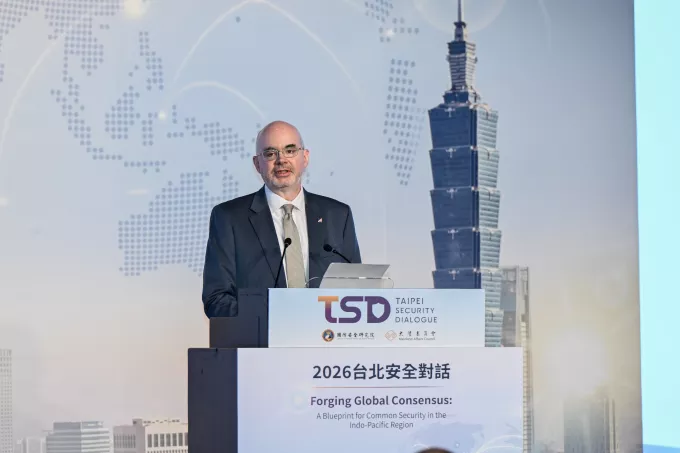
US Envoy Warns Taiwan Conflict Would Inflict Greater Economic Toll Than World War II
TAIPEI, Taiwan—A conflict across the Taiwan Strait would deliver a devastating shock...