
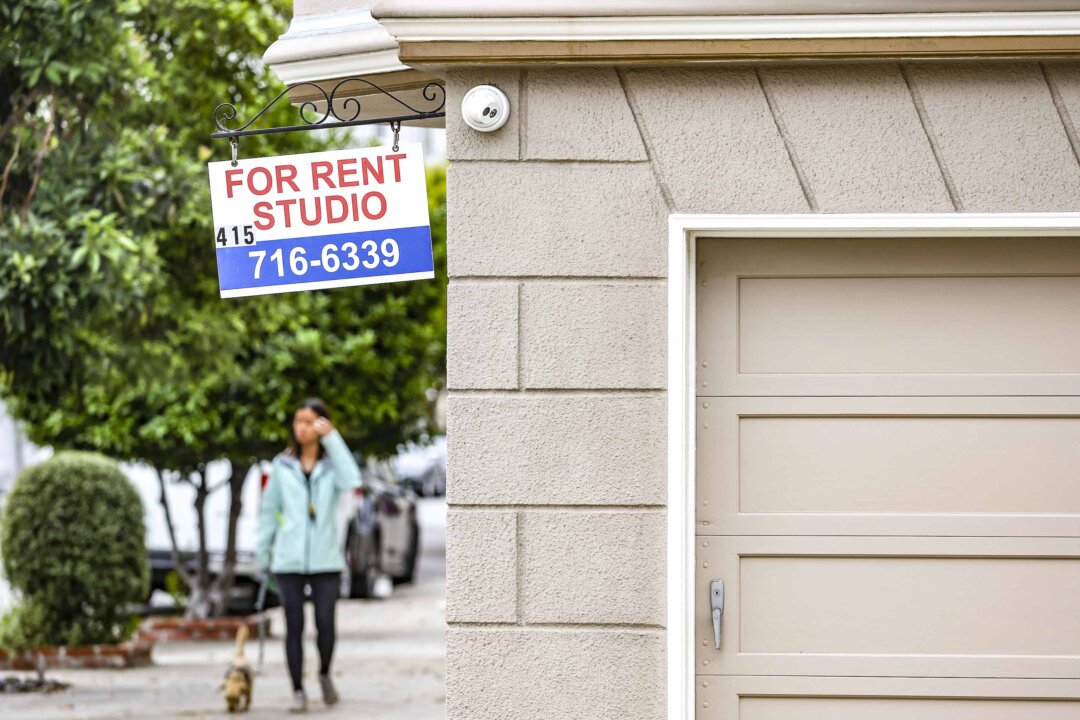
For the first time since 2022, August’s national median rent inched up by 0.1 percent, breaking the trend of slipping rents typical of the end of the summer season, Apartment List said in its Aug. 26 National Rent Report.
The report said the data could signal that the rental market is beginning to stabilize as new construction slows and new units get absorbed.
As of August, the national median rent stood at $1,390 per month, representing the seventh consecutive increase from the previous month.
Rents declined by 0.8 percent, or $11, from August 2025. Still, this represents an uptick from April’s bottoming-out drop of 1.6 percent. According to the report, April’s data matched a record low dating back to 2017.
“At the same time, we are still at the tail end of the peak moving season, and as such, rent growth is currently decelerating,” the report said. “Prices will likely begin their off-season dip in the next month or two in line with typical seasonal patterns.”
While rents peaked in mid-2022, they have been gradually decreasing across the United States, falling 3.6 percent, or $52, per month from that peak. However, the report notes that despite the declines, today’s rent levels are 21 percent higher than at the beginning of 2021.
Regionally, rents declined annually primarily in the Sunbelt region, while they rose in many markets in the Northeast, Midwest, and parts of the West Coast. Rent also increased in 36 of the 55 largest metros.
California’s San Francisco and San Jose metros had the nation’s fastest annual rent hikes of 11 percent and 7.9 percent, respectively. The report attributes the rises to a wave of artificial intelligence tech jobs. In San Francisco alone, rents rose by 26 percent in August from a year earlier, with a median rent of $3,881 for a one-bedroom apartment.
On the opposite end, San Antonio, Texas, had the nation’s biggest rent decline among large metros, dropping by 5.1 percent from a year earlier. The median rent for a one-bedroom apartment was just $960 per month.
Metros at the center of the nation’s construction boom, including Denver; Phoenix; Tampa, Florida; and Charlotte, North Carolina, also saw the biggest rent drops.
Apartment List’s report says that nationally, the multifamily construction boom peaked in 2024, when more than 600,000 new units hit the market—the largest annual supply since 1986. Since then, the market has been struggling to absorb all the new inventory.
As construction slowed and units became occupied over the past two years, the report indicates that August’s multifamily vacancy rate declined to 7.1 percent—the first decline since 2021.
An Aug. 18 report from the National Association of Home Builders (NAHB) indicates that housing starts in the multifamily sector declined by 16.8 percent in July, down 8.9 percent compared with the same month in 2025.
Overall, the NAHB noted that housing starts decreased 12.4 percent in July to a seasonally adjusted annual rate of 1.24 million units, quoting data from the Census Bureau.
“Builders continue to face significant challenges from elevated construction costs and affordability pressures,” Bill Owens, NAHB chairman, said in the report.
Apartment List noted that while the decline in multifamily construction has been modest, the vacancy rate remains elevated.
Consequently, the average list-to-lease time—the period apartments stay vacant on the market—was longer in August, at 32 days, up by two days from July.
“This month’s reading is the longest that we’ve seen in any August going back to 2019 when our tracking begins,” the report said.
Analyzing August’s rent uptick, the report said the tide may be turning on softer rental conditions that have been defining the market since 2022. However, it cautions that multifamily rentals could remain cool as units take longer to fill. The market shift, it predicts, will be gradual.