
The U.S. military said it has “meticulously and quietly” cleared Iranian sea mines from internationally recognized shipping lanes in the Strait of Hormuz, declaring the vital waterway open for commercial traffic.
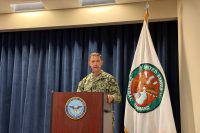
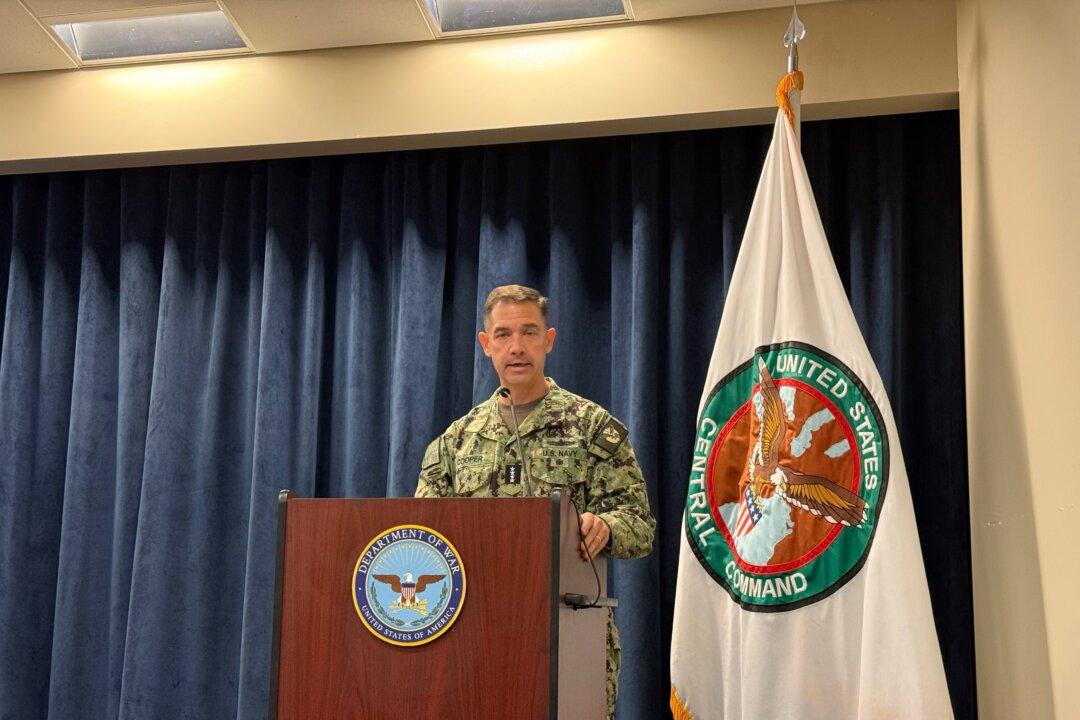
The operation involved U.S. Navy divers, Navy SEALs, and aircraft from multiple branches of the U.S. military, according to a Thursday update by the commander of the U.S. Central Command, Gen. Brad Cooper.
The operational update followed comments by President Donald Trump earlier this week, when he said the Strait of Hormuz was functioning.
The strait, which separates Iran from Oman and the United Arab Emirates, is one of the world’s most strategically important waterways.
Before the conflict began in February, roughly one-fifth of global oil and liquefied natural gas shipments passed through the narrow channel.
Cooper said nearly 1,500 commercial vessels carrying almost 750 million barrels of crude oil had received U.S. protection while transiting the strait during the operation.
He added that Iran had exported no oil since the United States resumed its maritime blockade in mid-July.
Central Command’s operation formed part of Washington’s broader campaign to enforce a naval blockade on Iran while allowing commercial shipping to continue through international waters.
The blockade began in April, paused operations in June, and resumed enforcement in July following renewed tensions between Washington and Tehran.
Iran Maintains Political Conditions
Iranian officials maintain that normal shipping through the strait remains tied to broader political negotiations.
Tehran has said the waterway will remain effectively closed until Washington accepts a series of Iranian demands, including ending the naval blockade and lifting U.S. sanctions.
Iranian state-run media IRNA reported on Friday that Iran was preparing a formal list of conditions after mediators asked Tehran to outline the requirements for restoring full navigation through the strait.
Mohsen Rezaei, secretary of Iran’s Supreme National Security Council, said ending the regional war was among Tehran’s conditions.
Rezaei also said Iran and Oman had agreed on a temporary shipping corridor through the Strait of Hormuz that would include sections in both Iranian and Omani waters.
He said vessels would be permitted to use a designated central channel if the United States accepted Iran’s conditions.
Iran’s conditions for fully reopening the strait, he said, included U.S. efforts to end the conflicts in West Asia, especially in Lebanon and Gaza.
Qatari Efforts
Qatar, one of the brokers of the June ceasefire, stepped up diplomatic efforts to ease tensions and restore commercial shipping through the Strait of Hormuz.
Qatari Prime Minister Sheikh Mohammed bin Abdulrahman Al Thani met Iranian President Masoud Pezeshkian and other Iranian officials in Tehran on Thursday, according to Qatar’s Foreign Ministry.
The ministry said the meetings focused on regional developments, the conflict’s impact on security, and efforts to reduce tensions.
Al Thani also met with Iranian Foreign Minister Abbas Araqchi, who on Friday described their talks as “creative” and renewed Tehran’s call for Washington to end what it described as its pressure campaign.
Shipping Activity
Commercial traffic through the Strait of Hormuz remains well below prewar levels as shipping companies continue to weigh security risks.
Preliminary Kpler shipping data showed seven commodity vessels transited the strait on Thursday, down from 17 the previous day and below the 10-day average of 15 vessels.
The vessels included two medium-range tankers, one very large gas carrier, one Ultramax bulk carrier, one intermediate tanker, and two chemical tankers.
Four ships were leaving the Gulf while three were entering.
The figures remain preliminary because some vessels switch off their transponders during voyages, making movements more difficult to track.
Reuters contributed to this report.