What makes a good leader? Authors Jody Wilson-Raybould and Roshan Danesh can explain
 Lindsey WardUpdated 2 hours Ago2 Mins read
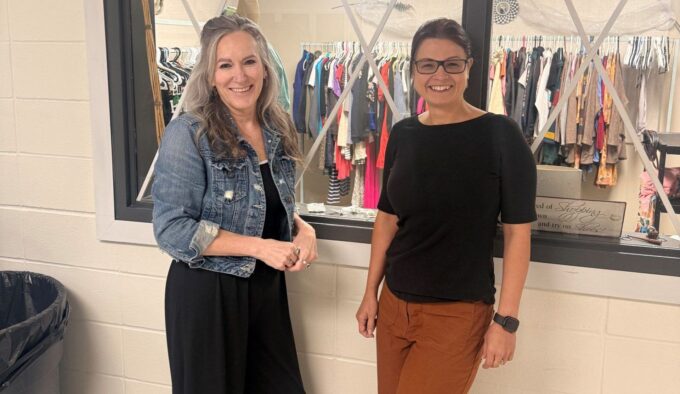
Article content
“It crystallized a lot when I was sitting around the Cabinet table and recognized the exact same dynamics and that huge gulf between understanding from where I came from and from where other non-Indigenous people around that table were coming from, trying to bridge between that huge divide, and it was in true reconciliation, which is the book,” said Wilson-Raybould whose 2021 memoir Indian in the Cabinet: Speaking Truth to Power was a bestseller.
Article content
Wilson-Raybould and Danesh first began working together 15 years ago when she was regional chief of the B.C. Assembly of First Nations and asked him to provide her with a legal opinion to, “try and develop consensus among First Nations in British Columbia around principles to engage with governments on.” The pair would go on to co-author the 2024 book Reconciling History: A Story of Canada.
Article content
“I dragged him, probably kicking and screaming, to Ottawa to work with me when I was the Attorney General,” said Wilson-Raybould. “We started from that point, after I left politics, to work together in mediation and reconciliation and decided to continue to write together and write books … the Inbetween Leader comes out of a lot of the work that both Roshan and I have done around reconciliation and trying to bring together Indigenous and non-Indigenous peoples.”
Article content
Article content
Wilson-Raybould opens The Inbetween Leader writing how it almost didn’t happen because of a breast cancer diagnosis in late 2025. But then a guy behind a shop counter in Seattle got to chatting with her and told her he “loved,” Canada but he hadn’t seen so many Canadians around recently.
Article content
“I don’t really understand what is going on. It makes no sense. Our leaders don’t make sense,” the shop guy told Wilson-Raybould.
This was the nudge she needed to commit to the book.
Article content
“People feel disorientated, frustrated, sometimes have fear, and are scared about the realities of what’s happening in our world, and feel a little bit out of control in terms of looking at the so-called leaders — those ones that are elected to office to make decisions that impact all of us,” said Wilson-Raybould.
Article content
One of those things that Wilson-Raybould, a descendant of the Musgamgw Tsawataineuk and Laich-kwil-tach people who carries the Kwak’wala name Puglaas, draws on deeply for this book is her Indigenous culture. The daughter of the late Bill Wilson, a First Nations hereditary chief, politician and lawyer, Wilson-Raybould has been tutored in leadership and community her whole life.
Article content
Article content
“In my tradition, like many others, the word leader is defined by values, characteristics, responsibilities and actions,” Wilson-Raybould writes. “Being a leader means something specific, and if one is not exemplifying those values, fulfilling those responsibilities, and taking those, then one is not a leader. In other words, being in a certain role does not a leader make.”
Article content
Wilson-Raybould, who doesn’t discount a return to politics, says if others in government at any level took up her Danesh’s Inbetween Leader approach, the world would look different.
Article content
“Can you imagine if we had, based on our book, if we had MPs and MLAs and elected leaders who were all in-between leaders. We’d live in a very different place,” said Wilson-Raybould. “Where I find hope and inspiration, and what we were trying to do, I believe, with this book is to create that sense of inspiration and hope, even with the reality that we have LINOS, leaders in name only among us, particularly in the political class.
Article content
“There is hope that individuals in their own environments can overcome that cynicism and realize their collective strength, as well as their individual strength.”
Article content
Dgee@postmedia.com
Article content




Afternoon front page: CBC journalist disciplined over post on anti-Israel protest; synagogue attacker sued military over COVID vaccine mandate; and more
An image from Neil Herland's video shows protesters outside the Meridian Arts...
Scott Stinson: Doug Ford’s love affair with corporate subsidies shows no sign of waning
Ontario Premier Doug Ford speaks to reporters outside his office at Queen's...
Michigan CEO who posted ‘Lake America’ sweatshirt photo no longer with company
A map showing Lake Ontario as "Lake America" displayed as U.S. President...
Adventures in Streaming: What to watch if you’re in your hostage era
Jon Hamm in American Hostage. CraveArticle contentHistorically, the ‘70s was the era...