
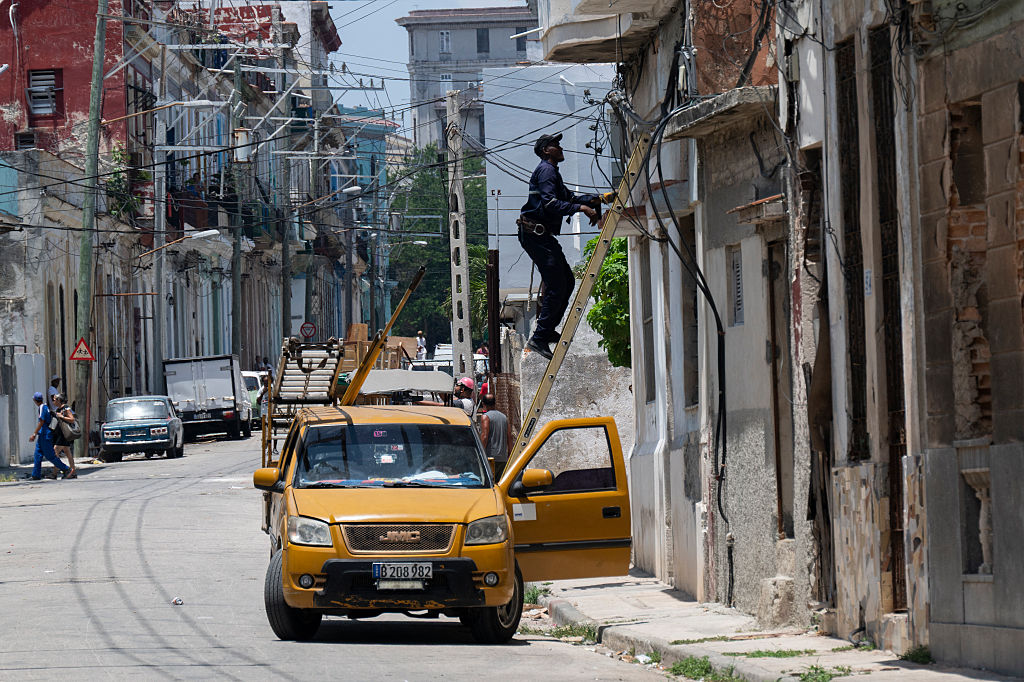

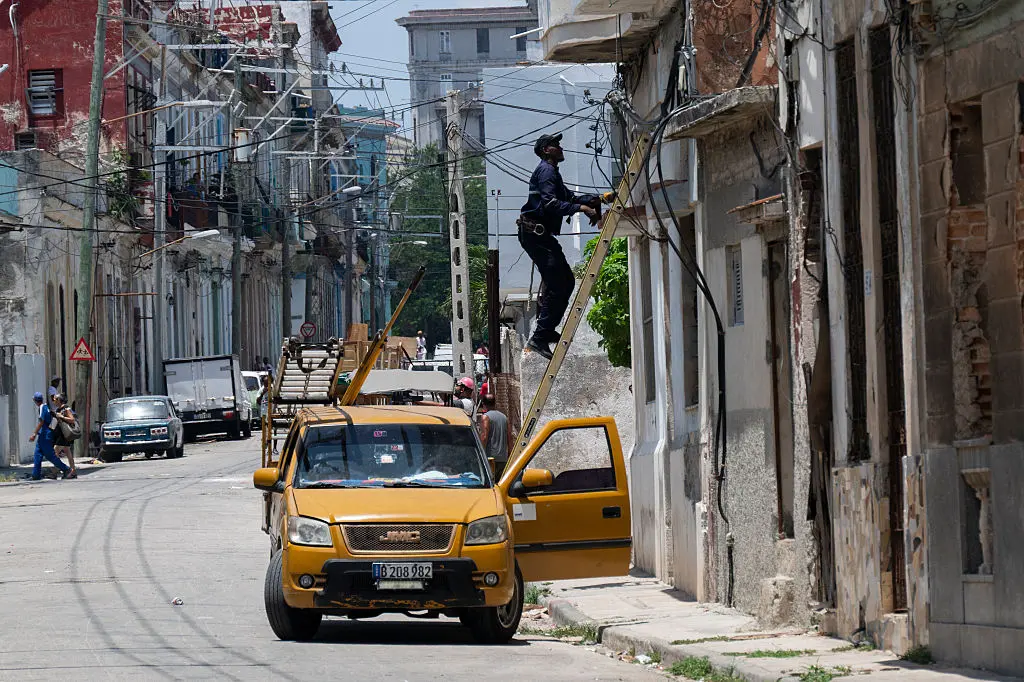
An electrician works on the power grid during a nationwide power outage in Havana on July 6, 2026. Cuba on July 6 suffered its third nationwide power outage since the start of the year, the state electricity company said. The impoverished island was already struggling to keep the lights on before U.S. President Donald Trump in January imposed an oil blockade, which has depleted the already dwindling supply of fuel for Cuba’s power plants. Yamil Lage/AFP via Getty Images
Cuba’s power grid collapsed mid-morning on July 6, leaving the island’s entire population of 10 million without power again amid an ongoing economic crisis and social unrest.
Cuba’s national electric utility said the cause of the blackout remained under investigation, the Electric Union (Unión Eléctrica de Cuba) reported. The country’s Ministry of Mines said one of the generating units returned to service about two hours later.
Cuba’s energy infrastructure is collapsing amid U.S. sanctions and restrictions on oil imports from its key ally Venezuela.
Cuba has suffered several nationwide blackouts in the past year, before U.S. President Donald Trump cut off oil deliveries to Cuba from Venezuela in January, exacerbating the situation. With Cuba’s main supplier impaired, Havana is without the energy needed to keep its grid stable, leading to rolling blackouts and widespread shortages of everything from medicines to food. Protests have spread across the island as Cubans increasingly voice their frustration.
U.S. Secretary of State Marco Rubio said Cuba’s grid has been unreliable due to years of past neglect.
“They were having blackouts last year. They’re having blackouts because they have equipment from the 1950s in their grid that they’ve never maintained and never upgraded, because they’re incompetent. That’s why they’re having blackouts,” Rubio told reporters in March.
In June, Rubio announced sanctions against Cuba’s state-owned energy company, Unión Cuba-Petróleo, under Trump’s May executive order, saying the nation’s communist elites “have weaponized energy as a tool of social control and kleptocratic profit.”
“For decades, the regime has stolen and hoarded available fuel—using it for the Castros’ private jet, the security services forces used to repress the Cuban people, to keep empty tourist hotels lit up, and to bus people in for fake protests and political stunts—all while the Cuban people have suffered blackouts and waited weeks to fill their cars,” Rubio said.
Trump hinted at a U.S. raid on Cuba in June, saying it could resemble the Venezuelan operation in January that resulted in the capture of Venezuelan leader Nicolás Maduro.
In May, the U.S. State Department announced it was prepared to provide $100 million in direct aid to the Cuban people in exchange for “meaningful reforms” if the country’s communist regime would allow the aid to be distributed in coordination with the Catholic Church and other reliable independent humanitarian organizations.
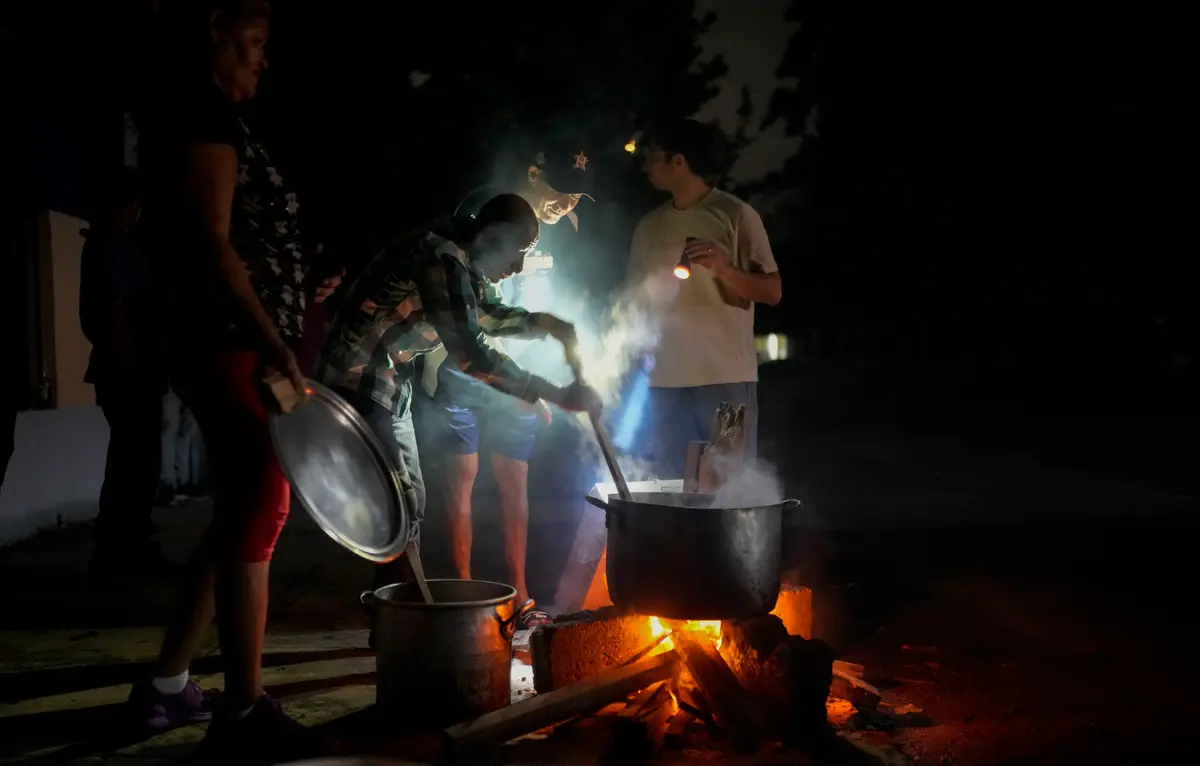
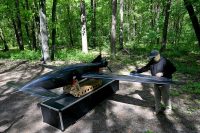
Residents prepare a soup over an open fire during a blackout following the failure of a major power plant in Havana, Cuba, on Oct. 19, 2024. Ramon Espinosa/AP Photo
In the meantime, the United States has stepped up a pressure campaign with military surveillance of Cuba with overflights and by gathering intelligence on the country’s Revolutionary Armed Forces. Intelligence officials also met with Cuban leaders in May.