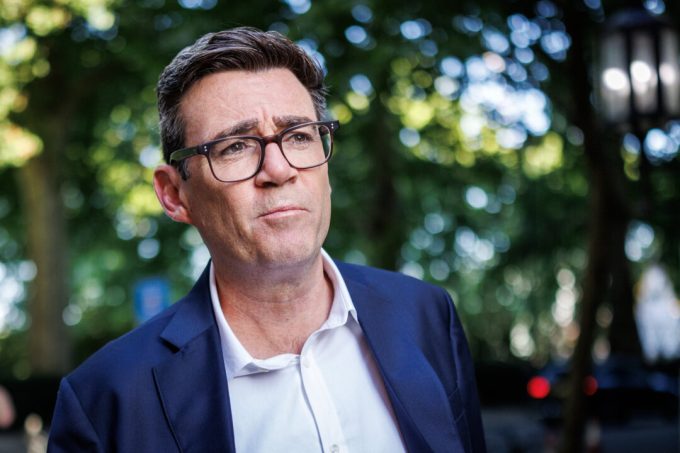

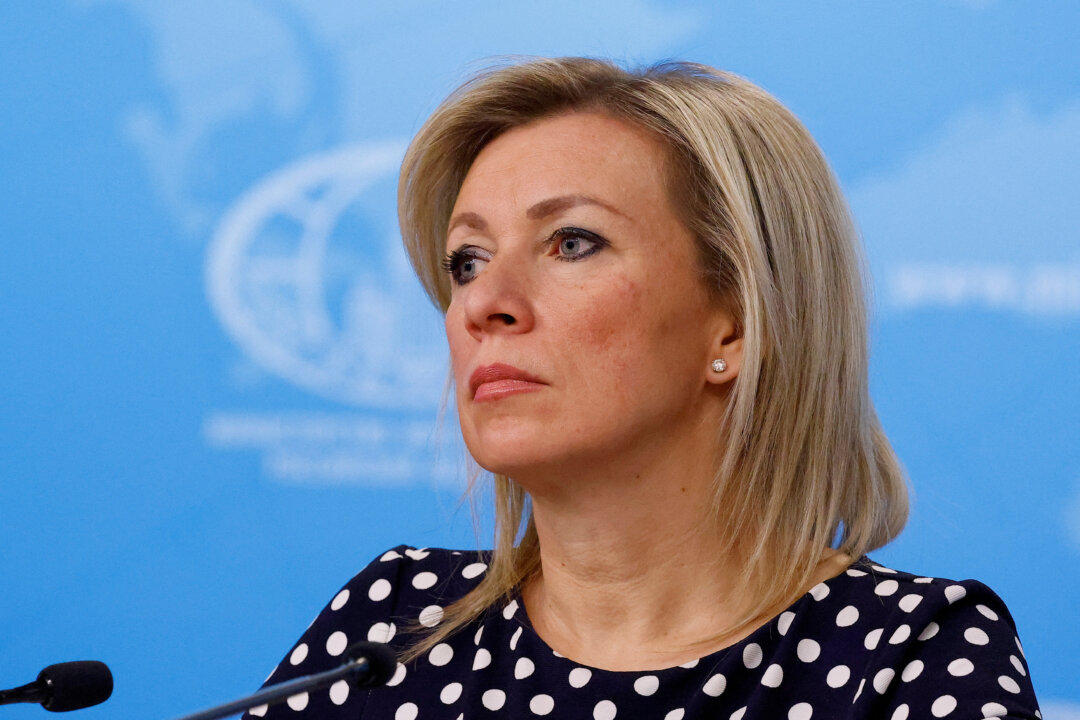

Any multinational force sent to Ukraine after the agreement of a peace deal would be viewed as a legitimate military target, Russian Foreign Ministry spokeswoman Maria Zakharova has said.
“We would like to once again emphasize that our country considers the deployment of any military contingents from the countries of the so-called Coalition of the Willing to Ukraine unacceptable,” Zakharova said during a July 15 press briefing, according to state-run news agency TASS.
“I repeat once again: This will de facto mean foreign intervention and an increase in threats to Russia’s security. Such units will be regarded by us as legitimate military targets.”
The Coalition of the Willing is an international alliance of 35 countries and organizations working to facilitate a peace deal and help Ukraine establish long-term security. It is spearheaded by the leaders of France, Germany, and the UK.
The coalition met on July 13 in Paris and reaffirmed its support for Kyiv. In a joint statement by the three co-chairs, they reaffirmed their intention to deploy such a multinational force after a peace deal is agreed upon.
The Coalition of the Willing said in the joint statement that a peace agreement would need to be backed “by politically and legally binding security guarantees,” as set out in the Paris Declaration.
“These guarantees will be defensive in their nature,” the statement reads.
“Their purpose is to prevent a renewal of Russian aggression against Ukraine and ensure stability and security in Europe. This will be alongside long-term military assistance to the Armed Forces of Ukraine.”
The Paris Declaration, signed on Jan. 6, states that once hostilities cease, a “Multinational Force for Ukraine” (MNF-U) composed of contributions from the coalition would “support the rebuilding of Ukraine’s armed forces and support deterrence.”
The Coalition of the Willing also stated on July 13 that exercises involving the MNF-U will take place in the coming months to demonstrate its ability to act, “once hostilities have ceased.”
“[The MNF-U] is ready to operate and to act to regenerate Ukrainian forces and provide reassurance to Ukraine within its territory, on the ground, in the air and at sea, at Ukraine’s request, once a credible cessation of hostilities is in place,” the statement reads.
Previous Warnings Over Multinational Force
Russia has previously stated that it would not accept the presence of foreign troops in Ukraine and would view them as legitimate military targets.
On Jan. 6, France and the UK signed a letter of intent to send troops to Ukraine in the event of a peace agreement.
British Prime Minister Sir Keir Starmer said at the time that the UK and France would establish “military hubs” across Ukraine and build facilities for weapons and military equipment.
French President Emmanuel Macron said that these security guarantees “are key to ensuring that a peace agreement can never amount to a Ukrainian surrender and that a peace agreement can never result in a new threat to Ukraine.”
Zakharova on Jan. 8 responded to the agreement, saying that the Russian Foreign Ministry “warns that the deployment of military units and the setting-up of military facilities, storage, and other Western infrastructure on Ukrainian territory will be qualified as foreign intervention that directly threatens the security of Russia and other European countries.”
“All such units and facilities will be considered as legitimate military targets for the Russian Armed Forces. Warnings to this effect have been repeatedly made at the highest level and remain relevant,” she said.
When, in February, British Defense Minister John Healey wrote that he wanted to deploy British troops to Ukraine in the event of a ceasefire, the Russian Foreign Ministry spokeswoman said that that would not mean the end of the war, “but a prolongation of the conflict and an increase in the risks of a large-scale military confrontation involving a much larger number of states.”
The Russia–Ukraine war is in its fifth year.
According to a July 15 war report card from Russia Matters, a project by Harvard Kennedy School’s Belfer Center for Science and International Affairs, Russian forces control about 20 percent of Ukraine, which includes Crimea and parts of the Donbas that Russia had seized prior to the full-scale invasion on Feb. 24, 2022.