Australian Greens Secure Senate Inquiry Into Transnational Repression
 Henry JomUpdated 2 hours Ago3 Mins read
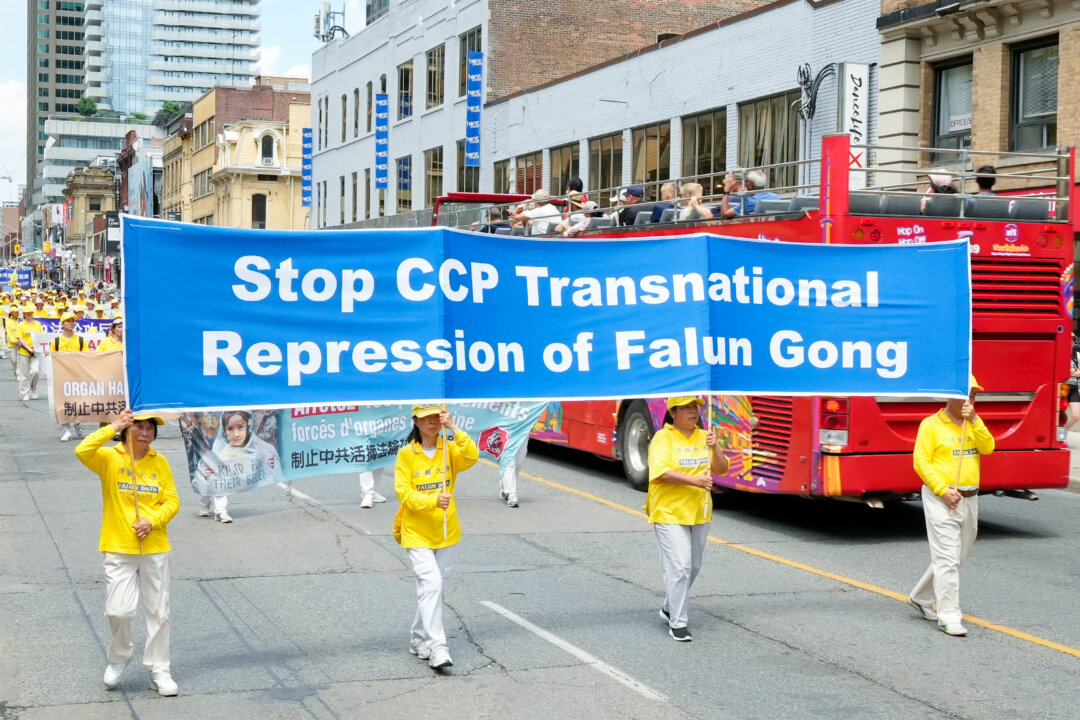
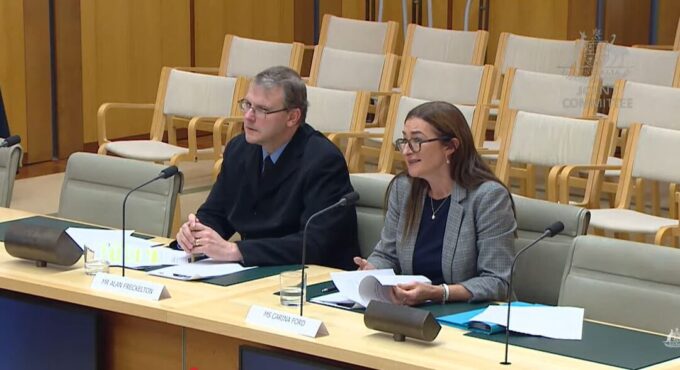
Diaspora communities and dissidents in Australia facing threats and oppression from foreign governments will have the opportunity to make a submission about their concerns to parliament.
Last week, the Australian Greens secured a Senate inquiry into transnational repression and foreign interference.
An inquiry is a detailed investigation conducted by a group of senators into a specific policy or issue, and will require evidence be gathered from public and private stakeholders—the process is often conducted publicly and allows for open scrutiny.
“Transnational repression is faced by many communities,” said New South Wales (NS) Greens Senator David Shoebridge, on social media on Sept. 9.
“We have heard about officials filming protests, families overseas hauled in for questioning over a relative’s social media post, and fake accounts set up to harass community leaders. This inquiry is a chance to get answers.
“Many diaspora share the common thread of different governments reaching into Australia to watch, threaten or silence those speaking out.”
The inquiry will assess:
-
the nature, scale and methods of transnational repression activities affecting individuals and communities in Australia;
-
the impact on diaspora communities, democratic engagement and public advocacy of transnational repression;
-
the adequacy of current legislative and institutional frameworks to address transnational repression in Australia;
-
existing and needed protection and support mechanisms for affected individuals and communities including education and community engagement strategies;
-
how to support individuals and targeted communities to effectively respond to transnational repression with both community and government collaboration;
-
international cooperation and global best practice to address transnational repression;
-
recommendations for legislative and policy reforms
This follows a July report tabled by the Attorney-General that recommended introducing new offences to better address transnational repression.
A Freedom House study published in September 2025 found that Australia has never used sanctions to respond to transnational repression, even in the face of similar threats, unlike the UK, the United States, the Council of Europe, and Canada.
Submissions close on Oct. 19.
What is Transnational Repression?
Transnational repression is defined as “acts conducted or directed by a state, or its proxy, to deter, silence or punish dissent, criticism or human rights advocacy towards it, expressed from outside its territory,” per the United Nations’ Office of the High Commissioner for Human Rights (OHCHR).
Groups that have reported alleged transnational repression include Pakistani, Tibetan, Kurdish, Indian, Palestinian, West Papuan, Chinese, Uyghur, Tibetan, and the spiritual practice Falun Gong.
While Australian law currently contains no definition of transnational repression, the Department of Home Affairs in a submission (pdf) said that it can include intimidation, physical or electronic surveillance, kidnapping or assault of individuals viewed as dissidents by a foreign government, undermining of social connections, and online operations that attempt to discredit or humiliate an individual or a group.
The Department also said it believes transnational repression or community interference to be under-reported as a crime-type due to its sensitivity, and that people will self-censor to avoid upsetting foreign governments.
Foreign Interference Now a Major Focus
Falun Gong practitioners outside of China have been subjected to transnational repression from the CCP since the practice was banned in China in July 1999.
First-hand CCP documents, obtained by the Falun Dafa Information Center in the United States, show that the repression of Falun Gong practitioners around the world is an orchestrated campaign and top priority for CCP authorities.
Moreover, the CCP’s new “Ethnic Unity Law,” which took effect on July 1, would target individuals of outside of China who who are deemed to undermine “ethnic unity and progress” by the communist regime.
Sarah Brooks, Amnesty International’s deputy regional director, said this new law provides a legal basis for existing practices of transnational repression by the communist regime.
“Meanwhile, activities which already carry great risk within China—such as promoting minority languages, documenting human rights abuses, or campaigning for the release of those detained because of their expression of culture, opinion or belief—could be further criminalised.”
A joint statement made by Michele Taylor, U.S. ambassador to the United Nations Human Rights Council, on behalf of more than 45 countries, states: “We stand together today to address the urgent and growing threat of transnational repression. When states reach beyond their borders to silence or coerce dissidents, journalists, human rights defenders, and others, national sovereignty, democracy, human rights and fundamental freedoms are undermined.”





Sponsored Visa Red Tape Leaves Regional Employers Struggling: Law Council
The Law Council of Australia has told a parliamentary inquiry that the...

Tories Urge Ottawa to Pass Bill Allowing Canada Post to Deliver Alcohol Across Provinces
Conservative Leader Pierre Poilievre is urging the Liberal government to help pass...

One Nation Vows to Cut 750,000 Temporary Visa Holders From Australia
One Nation Leader Pauline Hanson speaks to the media at Parliament House...

Quebec Prayer Restrictions Reshape Rules at Transit Agency, Universities
People use the Jarry metro station in Montreal on March 20, 2026....