Xi Seeks Trade and Technology Concessions From Trump Ahead of Summit
 Michael ZhuangUpdated 3 hours Ago3 Mins read
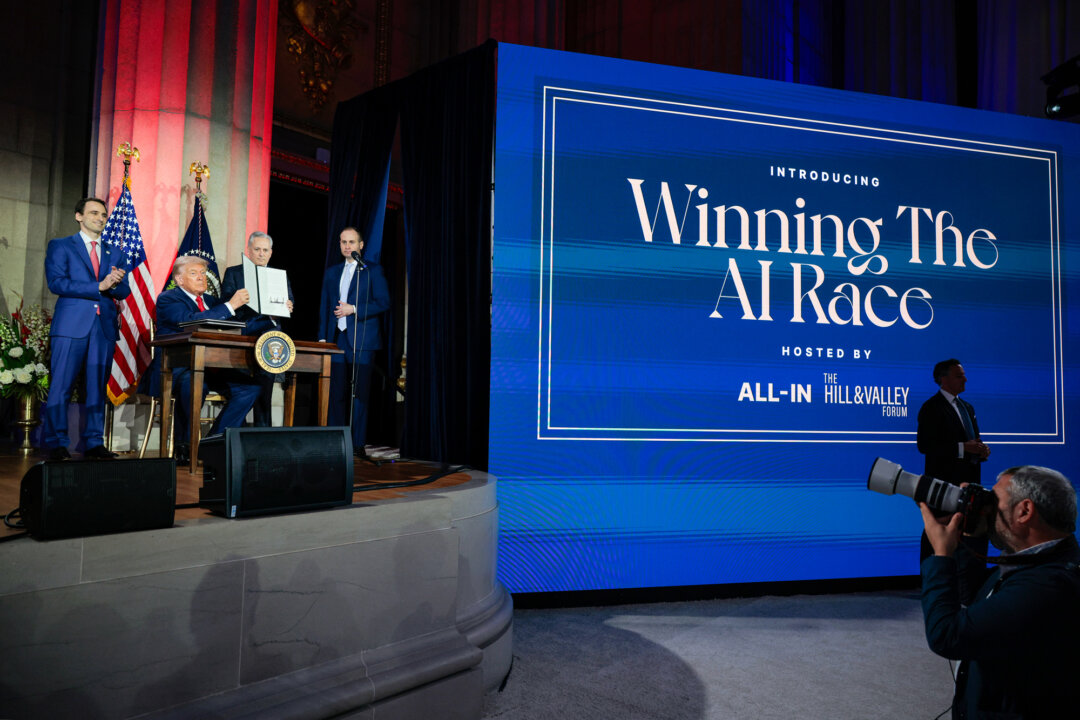
Chinese leader Xi Jinping is seeking concessions from President Donald Trump on trade and technology as U.S. and Chinese officials continue negotiating the agenda and public messaging ahead of their upcoming summit, according to insiders familiar with the discussions.
The insiders
spoke
to Chinese edition of The Epoch Times on condition of anonymity out of fear of reprisal.
Beijing has specifically asked Trump to make a statement on Taiwan favorable to the Chinese Communist Party (CCP). However, U.S. officials have rejected language such as “opposing Taiwan independence,” according to a Beijing-based insider familiar with Chinese foreign-policy decision-making who spoke to The Epoch Times.
Chinese state media Xinhua News Agency announced on Sept. 21 that Xi would visit the United States from Sept. 23 to 25. The White House has said Trump will meet with Xi at the White House on Sept. 24.
According to the insider, Beijing’s greatest concerns are trade and tariffs, technology and AI, Taiwan, and the broader U.S.-China relationship.
“Especially regarding the wording on the Taiwan issue, the Chinese side made clear during communications how it wants Trump to speak at the summit. White House officials believe that the United States will continue its previous wording on cross-strait issues, including maintaining the status quo in the Taiwan Strait and safeguarding peace and stability in the Taiwan Strait,” he said.
The competing demands reflect the broader tensions surrounding the meeting. Beijing wants Trump to ease restrictions on Chinese technology and trade, while Washington is seeking greater Chinese purchases of American agricultural products and cooperation on managing AI-related risks, according to the insider.
“Chinese officials hope to use the U.S.-China leaders’ meeting to extend the trade truce, prevent the United States from further tightening tech [export] restrictions, and ask the United States to stop blocking Chinese companies in areas such as AI and telecommunications, and allow companies such as Huawei and China Telecom to operate legally in the United States,” he said.
Beijing Seeks to Preserve Trade Truce
The summit comes as Washington and Beijing continue to compete over tariffs, technology, Taiwan, and broader geopolitical issues.
The United States has accused some Chinese AI companies of obtaining capabilities from U.S. AI models through techniques such as “model distillation,” raising concerns about potential intellectual property violations. Beijing, meanwhile, has
continued
to use restrictions on rare earths and other critical minerals as leverage in negotiations and has opposed U.S. arms sales to Taiwan.
A Chinese Ministry of Commerce official who has long participated in U.S.-China trade affairs told The Epoch Times that Washington has repeatedly pressed Beijing in recent months to fulfill trade commitments, restrict exports of precursor chemicals used to make fentanyl, and ease restrictions on critical mineral supplies.
Beijing, in turn, has sought lower U.S. tariffs, fewer restrictions on advanced chip exports, and concessions on Taiwan, the official said.
“China’s most important goal is not to resolve all differences in one meeting, but to maintain the current truce and stabilize relations between the two countries,” he said. “As long as the United States does not raise tariffs or expand the scope of sanctions for now, Beijing can package this visit as an important achievement in stabilizing U.S.-China relations.”
Advanced semiconductors, semiconductor equipment, and AI technology are also expected to feature prominently in the negotiations.
A Chinese insider familiar with the CCP’s technology policies told The Epoch Times that Beijing wants Washington to ease restrictions on advanced chips and related equipment and refrain from expanding the list of Chinese companies subject to U.S. controls.
In return, Beijing could increase purchases from the United States, improve market access for American companies, and agree to establish a mechanism for communicating about AI risks, the tech policy insider said.
The United States has increasingly
treated
advanced chips and AI as national security issues, limiting the scope for major concessions on core technology controls.
“Both sides may engage in limited cooperation on AI safety, crisis notification, and preventing technological loss of control, but Xi Jinping would prefer the United States to lower tariffs on Chinese goods,” the tech policy insider said. “China can obtain U.S. technology through third countries, but the cost is higher. If tariffs are lowered and exports earn more, China will have the ability to purchase U.S. technology. What the CCP lacks is technology.”
Wu Jia contributed to this report.



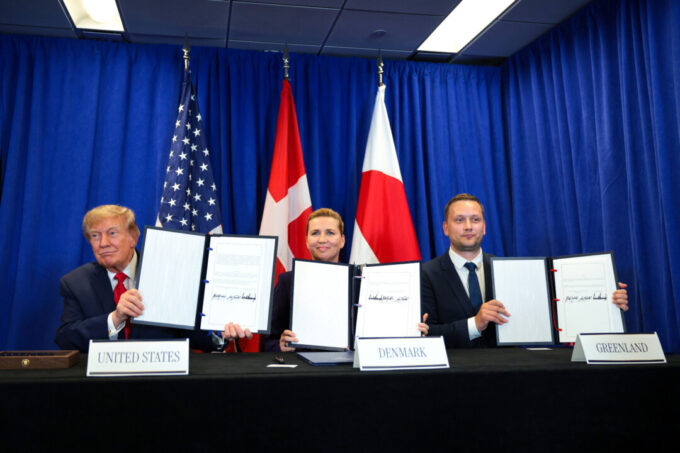
Trump Signs National Security Deal With Greenland, Denmark
U.S. President Donald Trump has signed a deal with the leaders of...
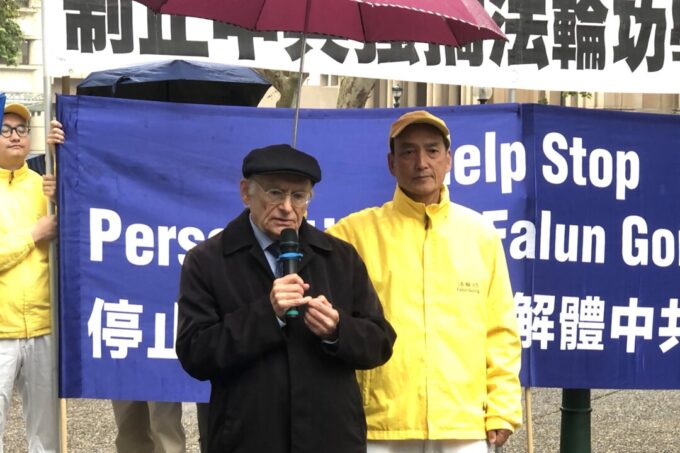
Australia Has ‘More or Less Done Nothing’ on Organ Trafficking: Human Rights Lawyer
SYDNEY—Australia is failing to do enough to combat overseas organ trafficking, Canadian...
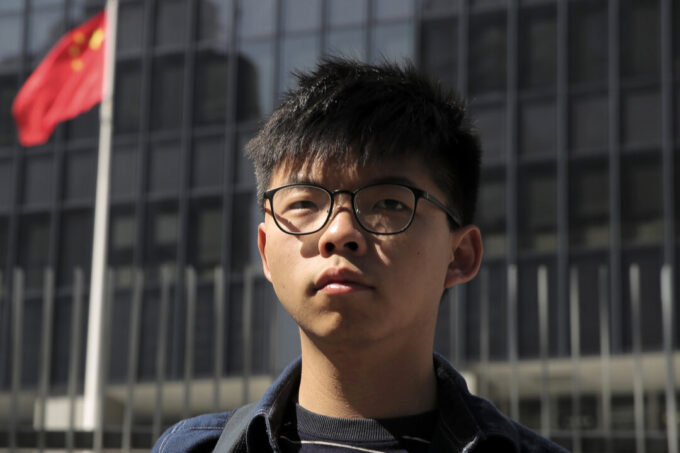
Documentary on Joshua Wong Surges to No. 1 on Netflix Hong Kong After Criticism
Pro-democracy activist Joshua Wong stands outside the Legislative Council building in Hong...

Falun Gong Practitioners Protest by Doing Tranquil Exercises Outside UN General Assembly
NEW YORK—As world leaders gathered in Manhattan at the United Nations for...