Lawyer for BC Nurse Disciplined Over Views on Gender Identity Argues College Exceeded Authority
 Jason G. AntonioUpdated 1 hour Ago5 Mins read
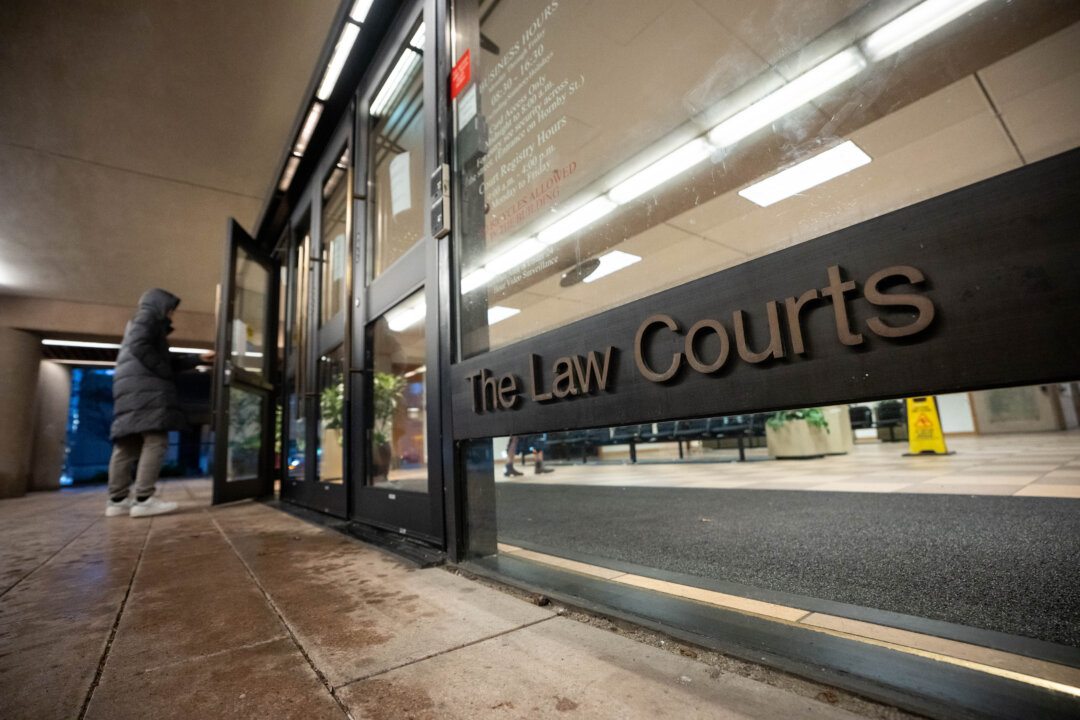
The B.C. College of Nurses and Midwives exceeded its legal authority by disciplining nurse Amy Hamm for expressing her views on gender identity and women’s rights outside the workplace, violating her freedom of expression, her lawyer argues.
In written submissions to the B.C. Supreme Court, Hamm’s lawyer Lisa Bildy argued that the College improperly treated Hamm’s criticism of gender ideology and transgender activism as discrimination against transgender people.
Bildy argued that Hamm’s comments amounted to political and social advocacy rather than professional misconduct, saying the disciplinary panel failed to establish a sufficient connection between her statements and her nursing responsibilities.
The submissions also argued that the College improperly relied on Hamm’s use of sarcasm and mockery to justify discipline, even though the panel accepted that she intended to advocate for women’s rights and did not intend to incite fear or contempt toward transgender people.
In its own written submissions, the College maintained that the disciplinary panel made no reviewable errors in finding professional misconduct and that its decision did not unjustifiably infringe Hamm’s Charter rights.
Hamm’s appeal was heard on Nov. 10 and 12 in Vancouver. She is asking the court to overturn a March 2025 finding of professional misconduct and an August 2025 decision ordering her to pay $93,639.80 in costs and suspending her nursing licence for one month.
The judge has reserved her decision.
‘Mission Creep’
Hamm’s submissions alleged that the College’s disciplinary panel made eight errors in its ruling against her, including improperly expanding the definition of discrimination, restricting her freedom of expression, and exceeding its regulatory authority.
The first alleged error concerned the panel’s finding that Hamm’s comments about gender ideology, transgender activism and women’s sex-based rights were discriminatory or derogatory toward transgender people.
The submissions argued that Hamm was criticizing political beliefs and activism rather than transgender individuals. Although no one identifying as transgender filed a complaint or testified in the case, the panel concluded that criticism of transgender activists could also be understood as criticism of transgender people generally.
“Neither ideologies nor activists are a protected class against discrimination under any human rights law, nor are they immune from criticism—even harsh, sarcastic or derogatory criticism,” the document stated.
Hamm argued that the panel effectively treated disagreement with gender identity beliefs as discrimination, creating a protected class of people whose views could not be criticized. She maintained that none of the statements for which she was disciplined were discriminatory toward transgender people.
The second alleged error concerned the panel’s reliance on Hamm’s tone, including sarcasm, mockery and derision, in determining that her comments constituted unprofessional conduct.
Hamm cited a Supreme Court of Canada ruling that uncivil speech does not necessarily invalidate a professional’s good-faith intentions. Her submissions argued that her comments were directed toward the public and policymakers rather than patients or colleagues, and were intended to advocate for women and children.
“There is no requirement that professionals be unfailingly polite or civil in their public discourse,” the document stated, adding that the panel improperly treated Hamm’s tone as grounds for discipline.
The third alleged error concerned the panel’s finding that brief references identifying Hamm as a nurse or nurse educator in some publications established a sufficient connection between her off-duty comments and her profession.
The panel found professional misconduct in three articles and one podcast in which Hamm identified herself as a nurse or nurse educator. Hamm argued that her comments concerned human rights and social policy as much as medical or scientific issues, and that identifying herself as a nurse did not automatically make her political opinions professional conduct.
The submissions maintained that regulators must establish a sufficiently negative impact on professional duties, public confidence, or those served by the profession before disciplining members for off-duty expression. Hamm also argued that the college should not decide which political opinions nurses and midwives may express.
The fourth alleged error concerned the panel’s balancing of Hamm’s Charter right to freedom of expression against what her submissions described as a “non-existent statutory objective” of maintaining the nursing profession’s reputation and integrity.
Hamm argued that the College’s legal mandate is to serve and protect the public, not enforce particular political views or protect its reputation from criticism.
“There is a serious risk of ‘mission creep’ of professional regulators, desiring to protect their own reputations from viewpoints with which they disagree,” the document stated.
The fifth alleged error involved the panel’s interpretation of Section 2(b) of the Charter. Hamm argued that freedom of expression protects not only political speech but also personal opinions, social commentary, and the exchange of ideas, which she said the panel failed to adequately consider.
The sixth alleged error concerned competing equality rights. Hamm argued that the panel improperly prioritized transgender rights over women’s sex-based rights, rather than recognizing the legal protections afforded to both groups, including the Charter’s protections for equality between men and women.
“The Panel improperly picked a side in a conflict of rights and used its statutory powers of discipline to penalize the ‘other side’ for advocating for their rights,” the submission stated.
Hamm also argued that the panel wrongly applied Section 15 of the Charter, which protects equality rights, to statements she made as a private citizen. Her lawyer maintained that disagreements about competing rights should be resolved through public debate and legislation rather than professional discipline.
The seventh alleged error concerned the panel’s treatment of expert testimony about biological sex and gender identity.
The panel heard from five expert witnesses, including two called by the College and three by Hamm. Her submissions alleged that the panel unfairly favoured the College’s experts, particularly their views that biological sex is multidimensional rather than strictly binary.
The eighth alleged error concerned the panel’s criticism of Hamm’s interpretation of human rights law.
Hamm argued that the panel improperly held her to the legal standards expected of a lawyer after criticizing her statements about protections based on biological sex rather than gender identity. Her submissions maintained that even sincerely held but legally incorrect opinions do not necessarily constitute professional misconduct.
The College has argued Hamm’s statements that were connected to her professional identity as a nurse justified regulatory scrutiny, even though they were made outside the workplace. The College also maintains that the panel properly balanced Hamm’s freedom of expression against its statutory responsibility to protect the public and that the disciplinary decision did not unjustifiably infringe her Charter rights.
In its written response, the College argued that Hamm had not demonstrated any reviewable errors in the disciplinary panel’s decision, saying her appeal largely reflected disagreement with the panel’s factual findings rather than errors of law.
It maintained that the panel properly determined that several statements denied the existence or dignity of transgender people, and that their content and tone, combined with Hamm’s identification as a nurse, established a sufficient connection to her profession.
The College also argued that the panel appropriately considered the medical and scientific issues involved, weighed her Charter right to freedom of expression against its mandate to protect the public, and did not improperly favour transgender rights over women’s rights. It asked the court to dismiss the appeal.
Penalty and Costs
Hamm also challenged the panel’s decision to suspend her nursing licence for one month and order her to pay $93,639.80 in costs. Her submissions described the costs award as “unreasonable, crushing and punitive in nature,” saying the panel imposed an excessive financial penalty on a cooperative nurse who had no previous disciplinary history.
The document argued that such a substantial award could discourage other professionals from challenging regulatory decisions involving constitutional rights.
Hamm is asking the B.C. Supreme Court to overturn the disciplinary finding and set aside the penalty and costs order. Alternatively, she wants the disciplinary decision returned to the panel for reconsideration or the costs reduced.
The College has asked the court to dismiss the appeal, including her challenge to the suspension and costs order.







Police Issue Arrest Warrant for Man Who Attacked Falun Gong Practitioners Outside Toronto Chinese Consulate: Association
The Toronto Police Service have identified the man who attacked Falun Gong...

Carney Says Canada Might Pivot to Chinese Automakers If Trade Talks With US Break Down
Canada could pursue ties with Chinese automakers if trade talks with the...

Ukrainian Forces Hit Crimean Bridge Causing Minor Damage, Kremlin Says
A view of the Crimea Bridge that links Crimea to Russia, near...

5 Million Social Media Accounts Purged in FBI’s Anti-Scam Operation
More than 5 million illicit social media accounts have been removed as...