Lukashenko Frees 15 More Prisoners Following Round of US-Belarusian Talks
 Victoria FriedmanUpdated 4 hours Ago2 Mins read
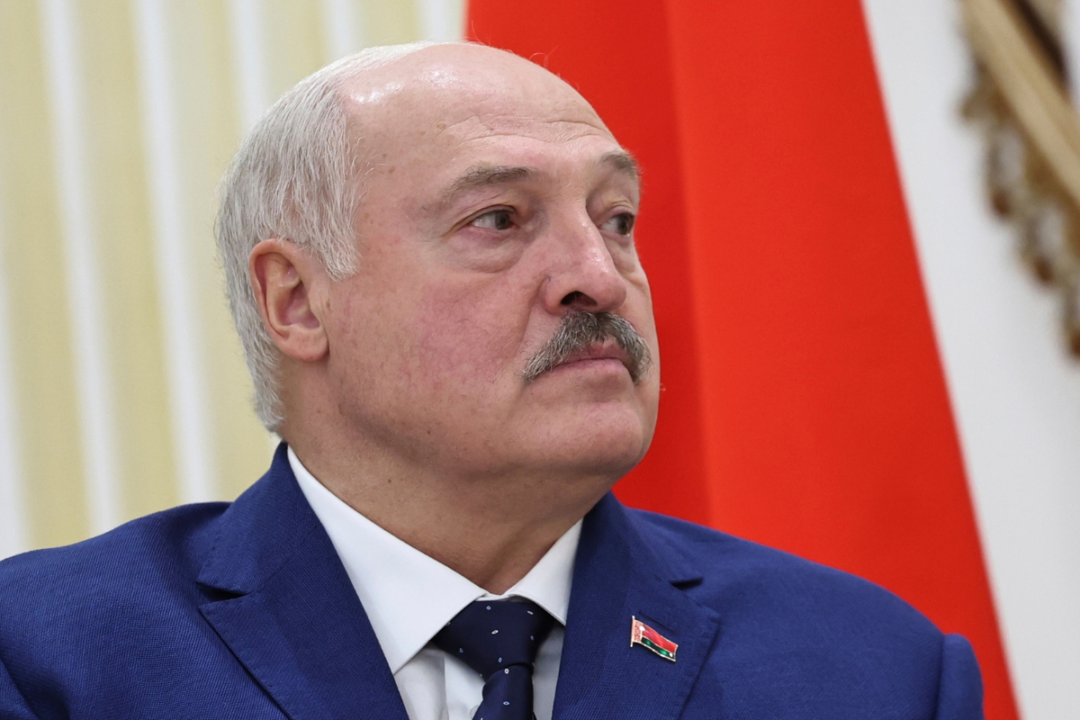
Belarus has freed 15 more prisoners, following the release of dozens last week as a result of ongoing talks between U.S. envoy John Coale and Minsk.
The office of Belarusian President Alexander Lukashenko said in a Sept. 24 statement that 10 of those pardoned were women and 13 had “committed crimes of an extreme nature.”
It said the pardons were granted after the individuals had admitted their guilt and asked for clemency.
Human rights group Viasna, which is banned in Belarus, said on X that 13 of those released were political prisoners and had been convicted under political articles.
Lukashenko denies there are any political prisoners in Belarus, but has engaged with the Trump administration in order to get sanctions relief in exchange for prisoner release.
This is the latest group of prisoners released since Coale began his negotiations with Minsk.
President Donald Trump
appointed
Coale as his special envoy to Minsk in November, after he helped negotiate the release of prisoners from Belarus, and charged him with working on the release of more.
The envoy’s aim is to have all remaining prisoners freed this year. He had credited Trump’s commitment to direct diplomacy for the progress in releasing the prisoners.
25 Released Last Week
During his visit last week, Coale secured the release of 25 people, including journalists and activists.
The releases were agreed to in exchange for pledges to secure the return of tens of millions of dollars in frozen Belarusian assets from U.S. banks, as well as to lift sanctions on paints and industrial coatings manufacturer Lakokraska and state-owned Bellesbumprom, which oversees the forestry and paper industries.
Speaking from the Lithuanian capital of Vilnius, where the former detainees were taken, Coale said that he expects to return to Minsk next month to negotiate the release of hundreds of others, including journalists, lawyers, political activists, and human rights campaigners.
The previous round of negotiations in March resulted in the release of 250 prisoners. They were set free in exchange for sanctions relief on Belarus’s financial sector, including the state-owned Belinvestbank. All remaining sanctions on potash companies Agrorozkvit, Belarusian Potash Co., and Belaruskali were also lifted.
Lukashenko has been in power since 1994. When he was reelected in 2020 for his sixth term, the results were condemned by the opposition and Western governments as fraudulent. The election sparked widespread protests across the country, which were met with a sweeping crackdown during which thousands of Lukashenko’s opponents, critics, and protesters were jailed.
Then, in 2021, the Biden administration added dozens of entities and individuals connected to the Lukashenko government to the U.S. Treasury Department’s blacklist, citing the crackdown on dissidents and what it called the “fraudulent Belarusian election.”
Belarusian–Russian Relations
Lukashenko has in recent months called for Moscow and Kyiv to compromise for peace and said that his country would not join in the Ukraine war, which is now in its fifth year.
“The Belarusian people endured unimaginable trials during the years of fascist occupation and reject war at the genetic level,” Lukashenko said in a speech to military graduates in Minsk on July 6.
“We are peaceful people; we do not want to fight, but we have no intention of bowing our heads before an enemy either.”
Belarus is a close ally of Moscow and shares borders with Russia and Ukraine, as well as NATO members Latvia, Lithuania, and Poland.
Although Lukashenko has not sent Belarusian troops to fight alongside Russia, he did allow Russian President Vladimir Putin to use the country as a launchpad to invade Ukraine and later agreed to let Russia station tactical nuclear missiles on its territory.
Belarus also conducts frequent joint military exercises with Russia and allows Moscow to use its bases and training grounds.
Reuters and Guy Birchall contributed to this report.

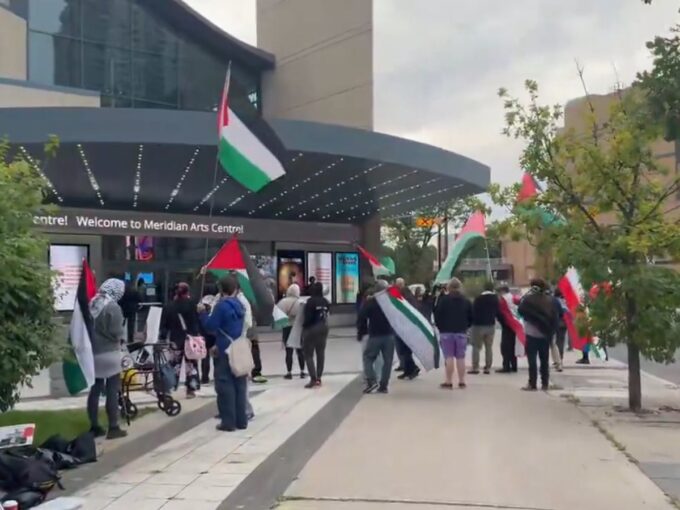
Afternoon front page: CBC journalist disciplined over post on anti-Israel protest; synagogue attacker sued military over COVID vaccine mandate; and more
An image from Neil Herland's video shows protesters outside the Meridian Arts...
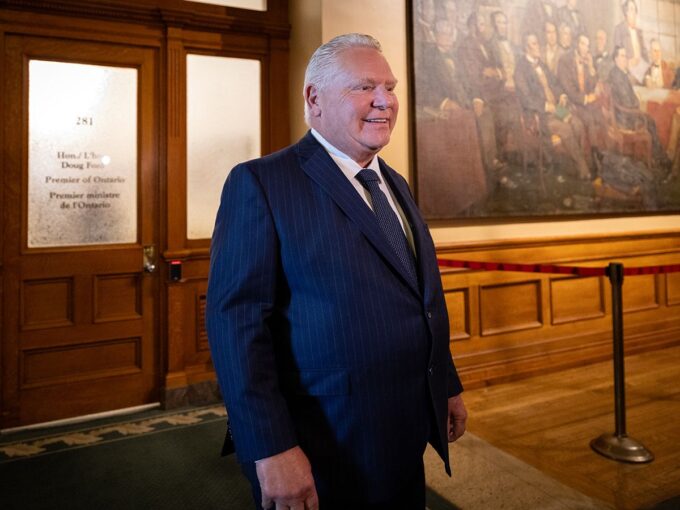
Scott Stinson: Doug Ford’s love affair with corporate subsidies shows no sign of waning
Ontario Premier Doug Ford speaks to reporters outside his office at Queen's...
Michigan CEO who posted ‘Lake America’ sweatshirt photo no longer with company
A map showing Lake Ontario as "Lake America" displayed as U.S. President...
What makes a good leader? Authors Jody Wilson-Raybould and Roshan Danesh can explain
Article content“It crystallized a lot when I was sitting around the Cabinet...