Real Canadians: Alberta high school teachers set up fashion boutique for underprivileged students
 Lindsey WardUpdated 3 hours Ago3 Mins read
Article content
For many teenagers, fashion is more than clothing. It’s a way to express identity, fit in with peers and boost confidence. But for some families, buying clothes — let alone keeping up with the latest trends — is difficult when money is needed for essentials.

THIS CONTENT IS RESERVED FOR SUBSCRIBERS
Enjoy the latest local, national and international news.
- Exclusive articles by Conrad Black, Barbara Kay and others. Plus, special edition NP Platformed and First Reading newsletters and virtual events.
- Unlimited online access to National Post.
- National Post ePaper, an electronic replica of the print edition to view on any device, share and comment on.
- Daily puzzles including the New York Times Crossword.
- Support local journalism.
SUBSCRIBE FOR MORE ARTICLES
Enjoy the latest local, national and international news.
- Exclusive articles by Conrad Black, Barbara Kay and others. Plus, special edition NP Platformed and First Reading newsletters and virtual events.
- Unlimited online access to National Post.
- National Post ePaper, an electronic replica of the print edition to view on any device, share and comment on.
- Daily puzzles including the New York Times Crossword.
- Support local journalism.
REGISTER / SIGN IN TO UNLOCK MORE ARTICLES
Create an account or sign in to continue with your reading experience.
- Access articles from across Canada with one account.
- Share your thoughts and join the conversation in the comments.
- Enjoy additional articles per month.
- Get email updates from your favourite authors.
THIS ARTICLE IS FREE TO READ REGISTER TO UNLOCK.
Create an account or sign in to continue with your reading experience.
- Access articles from across Canada with one account
- Share your thoughts and join the conversation in the comments
- Enjoy additional articles per month
- Get email updates from your favourite authors
Sign In or Create an Account
or
Article content
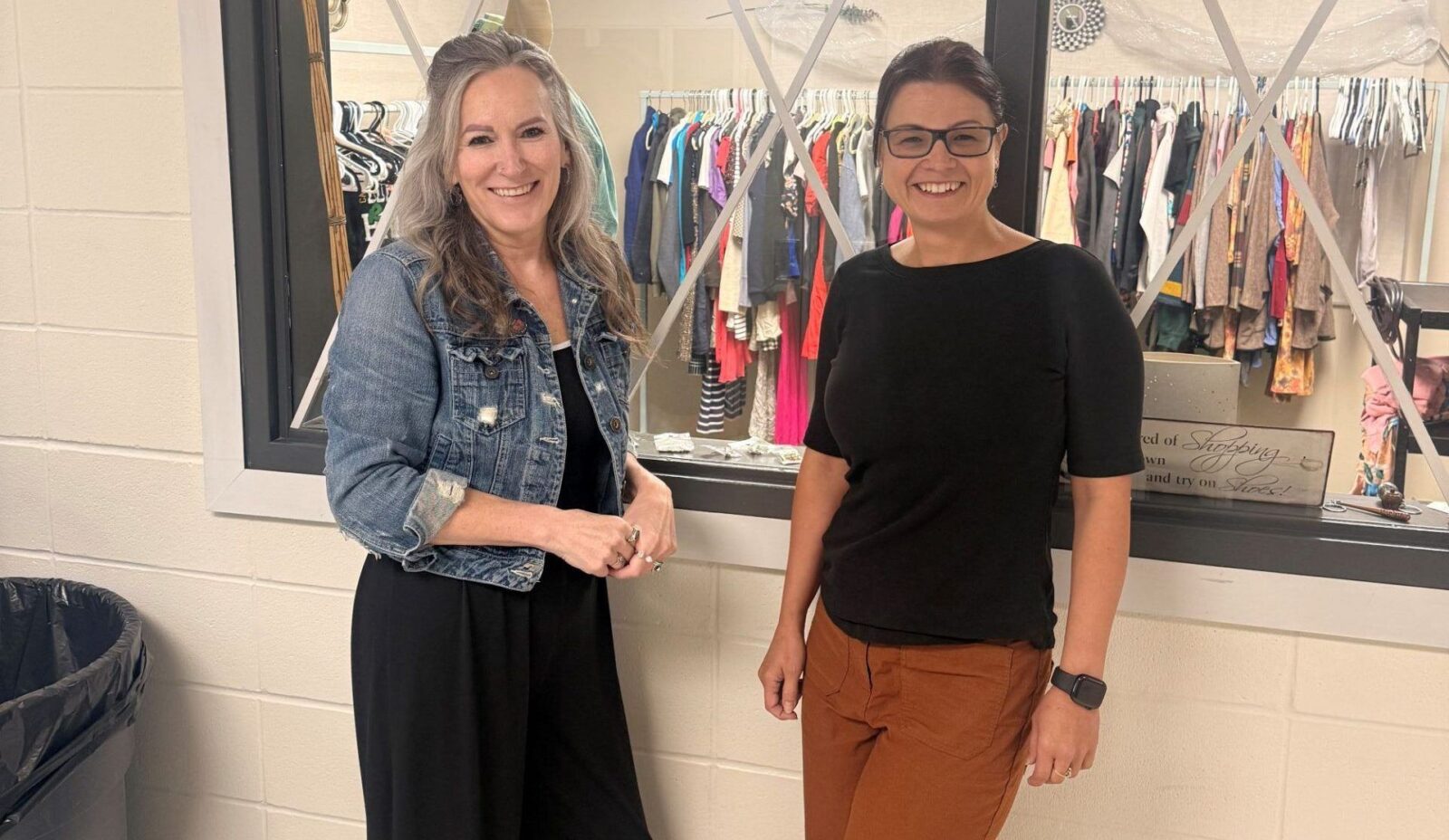
At École Secondaire Lacombe Composite High School (LCHS) in Lacombe, Alta., two teachers are helping their students by establishing an inexpensive fashion boutique stocked with gently used clothing at their school. It’s making a difference for students and the community.
Article content
Article content
Article content
“Growing up, I was a tomboy by necessity,” says Darcie Davis, a social studies and cosmetology teacher at the school. “I wore my brother’s hand-me-downs because I didn’t have anything else. I know what it feels like not to fit in because of the clothes you wear.”
Article content
Davis sometimes felt ostracized as a teenager, and when she became a teacher, she noticed some of her students facing similar struggles. She approached school administrators about creating a boutique stocked with gently used clothing, but the school was full to capacity and there was no space for it.
Article content
A couple of years later, another teacher, Julia Brotea, approached administration with the same idea. While affordability was a concern, Brotea was also motivated by environmental issues. She wanted to encourage students to choose second-hand clothing over fast fashion.
Article content
“Honestly, I love second-hand stores,” says Brotea. “As a high school student, I used to shop at Value Village.”
Article content
This time, the school had an empty office available, and the principal suggested Brotea connect with Davis. Together, the pair created the LCHS Boutique.
Article content
Article content
Fashion with a Purpose
Article content
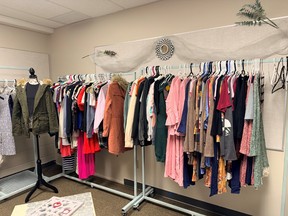
The teachers transformed the office into a small clothing shop, filling it with donations from staff, students and community members. For a while, a local thrift store also contributed gently used name-brand clothing, shoes and accessories and now a nearby university is running a clothing drive for the venture.
Article content
Students volunteer to sort, wash, fold and arrange the clothing. Each item costs just $2, and all proceeds go to charity. In the past, proceeds were used to support a community program providing food assistance to families during the holiday season. This year the plan is to use the funds to support microgrants for students who need financial assistance with course supplies, athletic fees, art materials and other needs.
But the boutique’s greatest impact may be the sense of normalcy it provides.
Article content
Article content
Article content
Article content
“The great thing about this is there’s no stigma for students or staff who choose to shop at the boutique,” says Brotea. “It’s something fun they can do on their lunch break and another way to socialize. It’s normalizing the idea of purchasing and wearing second-hand clothing.”







$680K raised for hero Belleville cop who prevented a Jewish massacre
In a post on X, former Bay of Quinte MP Ryan Williams...

Vancouver corsetier Melanie Tarkington has a world-class passion for wearable art
365 Bloor Street East, Toronto, Ontario, M4W 3L4 © 2026 National Post,...

Jewish CBC journalist faces discipline over comments about anti-Israel protest
Article contentA CBC spokesperson told National Post by email: “We respect the...

Daniel Hannan: Mark Carney, look to Britain and CANZUK, it’s the obvious choice
The U.K. lord joins Rob to explain why the true 'special relationship'...