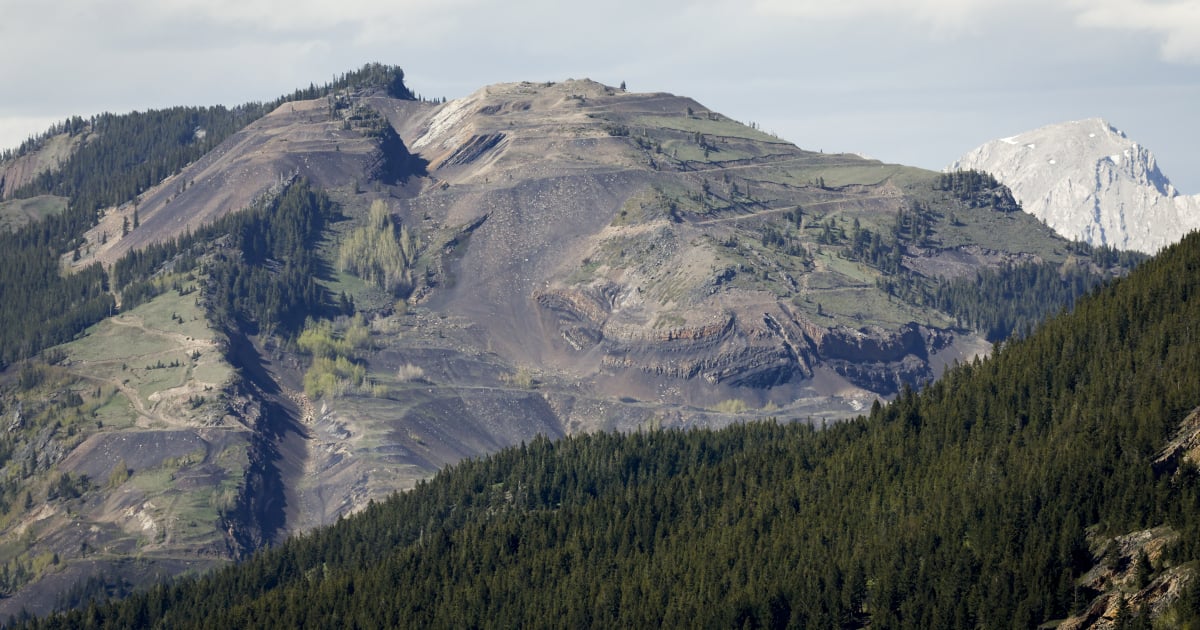
Five years after a coal mining operation at Grassy Mountain in Alberta was rejected over environmental risks, the company behind the project plans to submit a scaled-back proposal by the end of the year.
Northback Holdings Corporation, the Canadian mining company owned by Australian billionaire Gina Rinehart, is readying an application for a pared-down version of the controversial coal mine proposal that was rejected in 2021.
On Aug. 25, Northback Chief Executive Officer Brad Johnston presented a report on the expected socioeconomic impact of the project to the Crownest Pass municipal council.
In his remarks to council, Johnston shared a new timeline for the revised project, targeting the end of the year for a new application. A spokesperson for Northback confirmed those plans to Canada’s National Observer.
The Grassy Mountain mine was rejected in 2021 after a federal review found the proposal’s environmental risks outweighed any economic gain.
A survey conducted by the Alberta government at the time of the project’s rejection indicated that more than 85 per cent of Albertans polled had low confidence in the ability of the regulatory process to ensure safe, efficient and environmentally responsible coal exploration and development. But more than 70 per cent of voters in a 2024 plebiscite in the municipality of Crowsnest Pass voted in favour of the Grassy Mountain mine.
While rail load-out would take place in Crowsnest Pass, the mine itself would be located in the neighbouring municipal district of Ranchland.
Earlier this year, a citizens’ petition led by musician Corb Lund, seeking a ban on coal mining projects on the eastern slopes of the Rocky Mountains gathered more than 200,000 signatures, but Elections Alberta determined that it fell short of the threshold required to advance the proposal to referendum. Citing time constraints, Premier Danielle Smith said the question would not have appeared on this fall’s referendum ballots even if it had been successful.
In May 2025, the Alberta Energy Regulator approved a new application from Northback for exploratory drilling as the first stage of a revised coal mine.
According to the impact report released in June, the reimagined facility represents a significant reduction from the operation proposed in 2021.
The new project site occupies 6,900 acres, a reduction in the mine’s footprint of more than 50 per cent from the original design. It is expected to produce 2.5 million tonnes of metallurgical coal per year, down from the 4.5 million tonnes anticipated from the rejected facility.
The new facility aims to implement water management strategies from the start, including a water treatment plan targeting selenium reduction. The leakage of selenium, a mineral byproduct of coal mining that can be toxic in large quantities, into southern Alberta’s parched watersheds was one of the major causes of environmental concern about the previous proposal.
Alberta is expected to generate $57 million in tax revenues from construction and approximately $947 million in tax revenues from project operations across the mine’s 26-year lifespan. The total tax revenue for both the provincial and federal governments is estimated at $2.2 billion.
Northback also predicts that mine operations will employ more than 680 people in Alberta and indirectly support the creation of an additional 669 jobs.
A 2021 study from the University of Calgary’s School of Public Policy found the economic benefits of coal mining were outweighed by the environmental costs, displacement of other economic activities and risk that the province would end up on the hook for reclamation liabilities.
September 9th 2026