#1 of 7 articles from the Special Report: Starter Packs
Introducing Starter Packs, an initiative from Canada’s National Observer to help you dive into complex topics if you haven’t been keeping up on all the news. More about Starter Packs here.
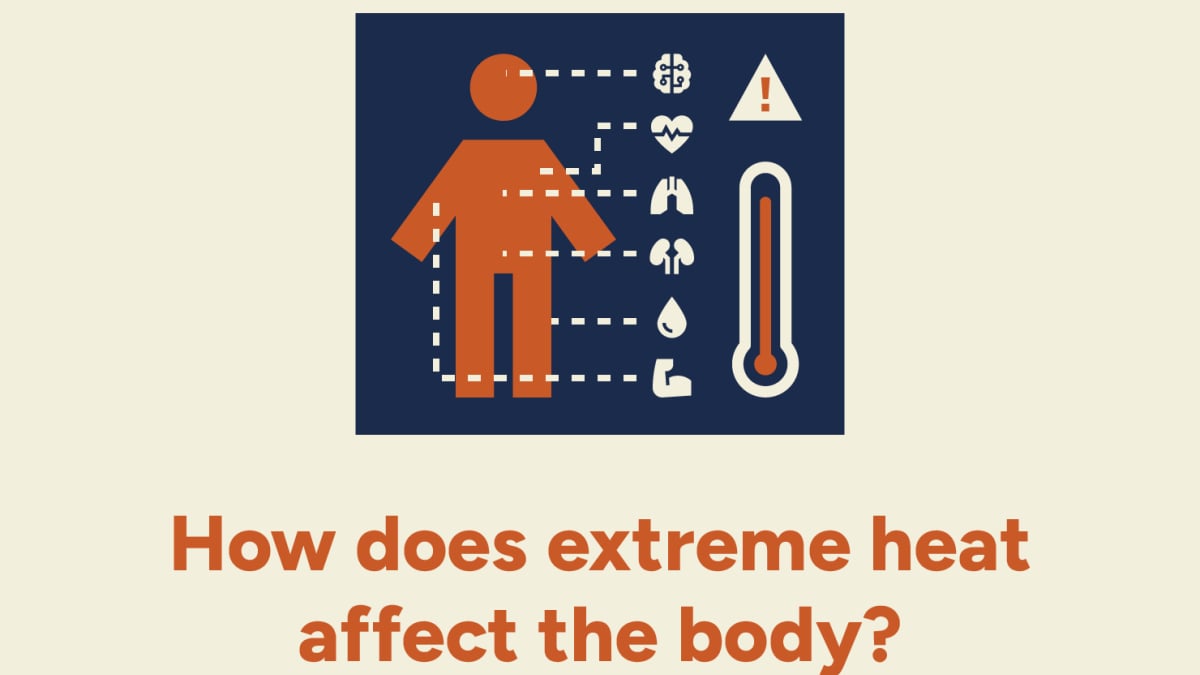
On a hot day, you can tell your body is doing its job when you start to feel the sweat. When the body warms up — by even as little as half a degree — the brain tells the body to redirect blood flow toward the skin and the skin produces sweat. When the sweat evaporates, the body can release that heat, and your skin and body cool down.
But, these responses require the heart to pump harder and faster, and our bodies need more oxygen and water to keep up the cooling processes. These changes can cause heat stress, putting a strain on the heart, which can be dangerous, especially for the elderly and people with heart conditions and other illnesses.
Climate change is making things worse in a couple of different ways. First, climate change is causing heatwaves more frequently in Canada and other parts of the world. The heatwaves also lasting longer with both daytime and nighttime temperatures staying high for multiple days to weeks. This means people are at risk of heat stress more often and for longer.
Climate change is also causing these regions to experience higher temperatures than most people and communities are prepared for, especially in cities, which can be hotter than rural areas. Think of schools, community centres and hospitals that have not needed air conditioning in the past, but now need it.
It helps to know how to handle the heat. Know the early warning signs of heat stress, which can include excessive sweating and thirst, headache, dizziness, nausea, weakness and muscle cramps. Drink plenty of water, especially when exercising or doing outdoor activities. Find ways to cool down, such as moving into shade or cool spaces.
Also, keep an eye on your neighbours and check on people at greater risk, particularly older adults, young children and people with illnesses. Don’t be afraid to seek medical attention when it’s needed, like when you notice confusion, fainting or seizures, which can mean heat stroke.
Glossary:
Sweat: the salty, clear liquid released through the skin’s pores by special glands to help cool down the body
Heat exhaustion: illness that happens when your body overheats after experiencing high temperatures and heavy sweating
Heat stress: a condition that can occur when the body becomes hotter than its ability to reduce the heat (e.g., by sweating)
Heat stroke: a life-threatening medical emergency where the body overheats and fails to cool itself down
Go deeper:
People with cardiovascular conditions are at risk in heat: Heart and Stroke Foundation
September 25th 2026