The highly strategic city that the Canada Investment Summit forgot
 rrobertspostmediaUpdated 3 days Ago3 Mins read
Article content
Prime Minister Mark Carney was in Toronto this week selling Canada as a place that still builds things. The prospectus for his inaugural investment summit runs to 167 projects: mines, ports, LNG, data centres, powered by the usual nation-building adjectives.

THIS CONTENT IS RESERVED FOR SUBSCRIBERS
Enjoy the latest local, national and international news.
- Exclusive articles by Conrad Black, Barbara Kay and others. Plus, special edition NP Platformed and First Reading newsletters and virtual events.
- Unlimited online access to National Post.
- National Post ePaper, an electronic replica of the print edition to view on any device, share and comment on.
- Daily puzzles including the New York Times Crossword.
- Support local journalism.
SUBSCRIBE FOR MORE ARTICLES
Enjoy the latest local, national and international news.
- Exclusive articles by Conrad Black, Barbara Kay and others. Plus, special edition NP Platformed and First Reading newsletters and virtual events.
- Unlimited online access to National Post.
- National Post ePaper, an electronic replica of the print edition to view on any device, share and comment on.
- Daily puzzles including the New York Times Crossword.
- Support local journalism.
REGISTER / SIGN IN TO UNLOCK MORE ARTICLES
Create an account or sign in to continue with your reading experience.
- Access articles from across Canada with one account.
- Share your thoughts and join the conversation in the comments.
- Enjoy additional articles per month.
- Get email updates from your favourite authors.
THIS ARTICLE IS FREE TO READ REGISTER TO UNLOCK.
Create an account or sign in to continue with your reading experience.
- Access articles from across Canada with one account
- Share your thoughts and join the conversation in the comments
- Enjoy additional articles per month
- Get email updates from your favourite authors
Sign In or Create an Account
or
Article content
Nobody in that room had to plow the roads that get the ore to the smelter. Paul Lefebvre does.
Article content
Article content
Lefebvre, Greater Sudbury’s mayor, is asking Ottawa and Queen’s Park a rude little question: if this city is going to carry a national industrial load, why does the profit leave town before the potholes are filled?
Article content
Article content
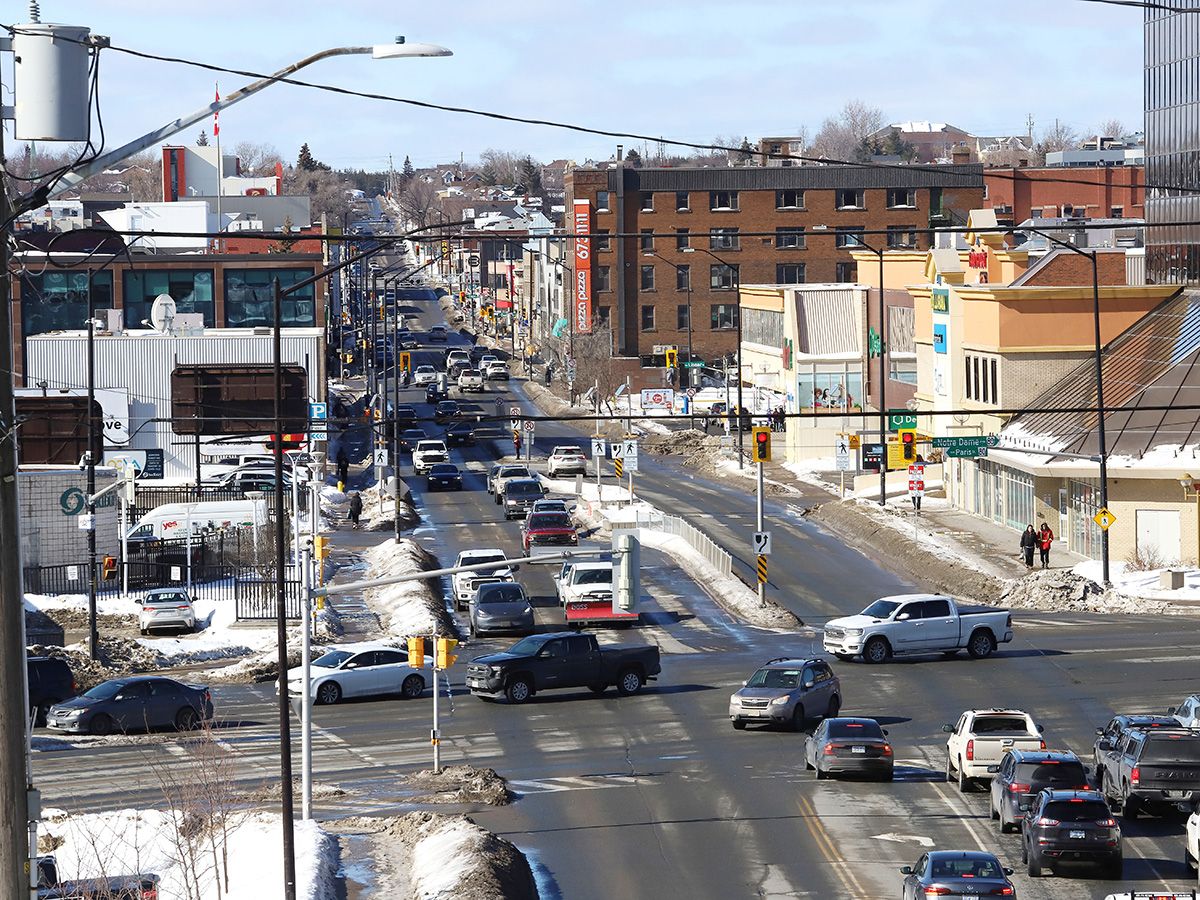
Sudbury is not a pit stop with a gift shop. It is Ontario’s largest city by land area — more than 3,200 square kilometres of Canadian Shield, lakes and rural road. Mike Harris-era amalgamation in 2001 glued seven municipalities into one; people live from one edge to the other. “We have roads going everywhere,” Lefebvre says, “rural roads that are very costly to maintain.”
Article content
Article content
A few weeks ago Doug Ford was on site at Glencore’s Craig Mine for first access to ore at the Onaping Depth project. To get that ore to the smelter, Lefebvre says, the trucks run about 70 kilometres, all of it on municipal pavement. Nine operating mines, more coming, two smelters — the whole circuit lies inside city limits. “This does not exist anywhere else in the world,” he says, meaning both mining and processing inside a 50-kilometre radius.
Article content
Ontario’s mining tax is 10 per cent of profit on non-remote mines and five per cent on remote ones. Sudbury’s camp is not remote so companies pay the higher rate. That revenue does not land at Sudbury’s Tom Davies Square; it goes to Toronto’s Queen’s Park. Corporate income tax goes to Ottawa. The city is left with property tax on the assessable surface land and buildings — to support a road network built for a national supply chain.
Article content
Article content
Lefebvre will not join the bar-stool chorus that the mining companies should simply be shaken down. “Mines are paying their taxes and their royalties,” he says. The frustration is aimed at the split of revenues. “Help us help the province grow this,” he tells me. “We’re pro-mining here.” He even likes Carney’s new capital-cost break. He just cannot pave 3,600 lane-kilometres with applause.
Article content
Article content
Trying to squeeze more from the assessment roll has already failed. After the last big Municipal Property Assessment Corp. review a decade ago, the value of assessed mining properties in Sudbury was cut by about 47 per cent. The city spent years at the Assessment Review Board and lost in 2025. There is a provincial consolation prize; the Ontario Community Infrastructure Fund is real money for small, rural and northern places. The funding available to a community is also capped at $10 million.
Article content
This startles me; I still think of Sudbury as the poster child for Big Nickel. In the last world war, International Nickel and the Sudbury workforce supplied on the order of 95 per cent of Allied nickel. In February 1942, C.D. Howe told Sudbury nickel workers that if production there stopped, “the whole character of the war will be changed.” In the early 1960s, the same city put up a ring of civil-defence sirens and sent kids under their desks at school. We are happy to call the place strategic; we are less eager to pay for the roads that still move the metal.





FIRST READING: David Eby’s snap election could blow up in his face
David Eby holds a news conference in a B.C. liquor Store on...
Permanent resident who sexually interfered with girl, 15, aimed to dodge deportation
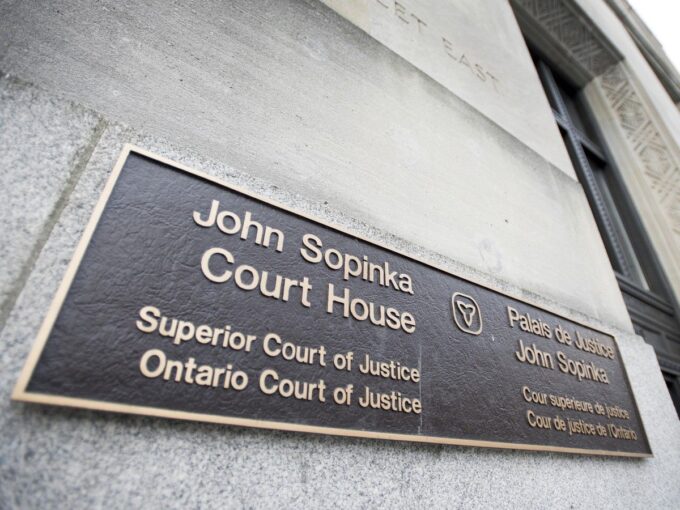
Hamilton's John Sopinka Courthouse. Photo by Peter J. Thompson/National PostArticle contentA Hamilton,...
Vivian Bercovici: Belleville shooting is the inevitable result of unchecked Jew-hatred
Officials with the Special Investigations Unit are seen exiting an SIU vehicle...
Heather Exner-Pirot: Carney’s oil and gas renaissance
Prime Minister Mark Carney puts on a hard hat at the Canadas...