The Systemic Corruption of Major Pharmaceutical Companies
 HeraklesUpdated 3 days Ago3 Mins read
Overview
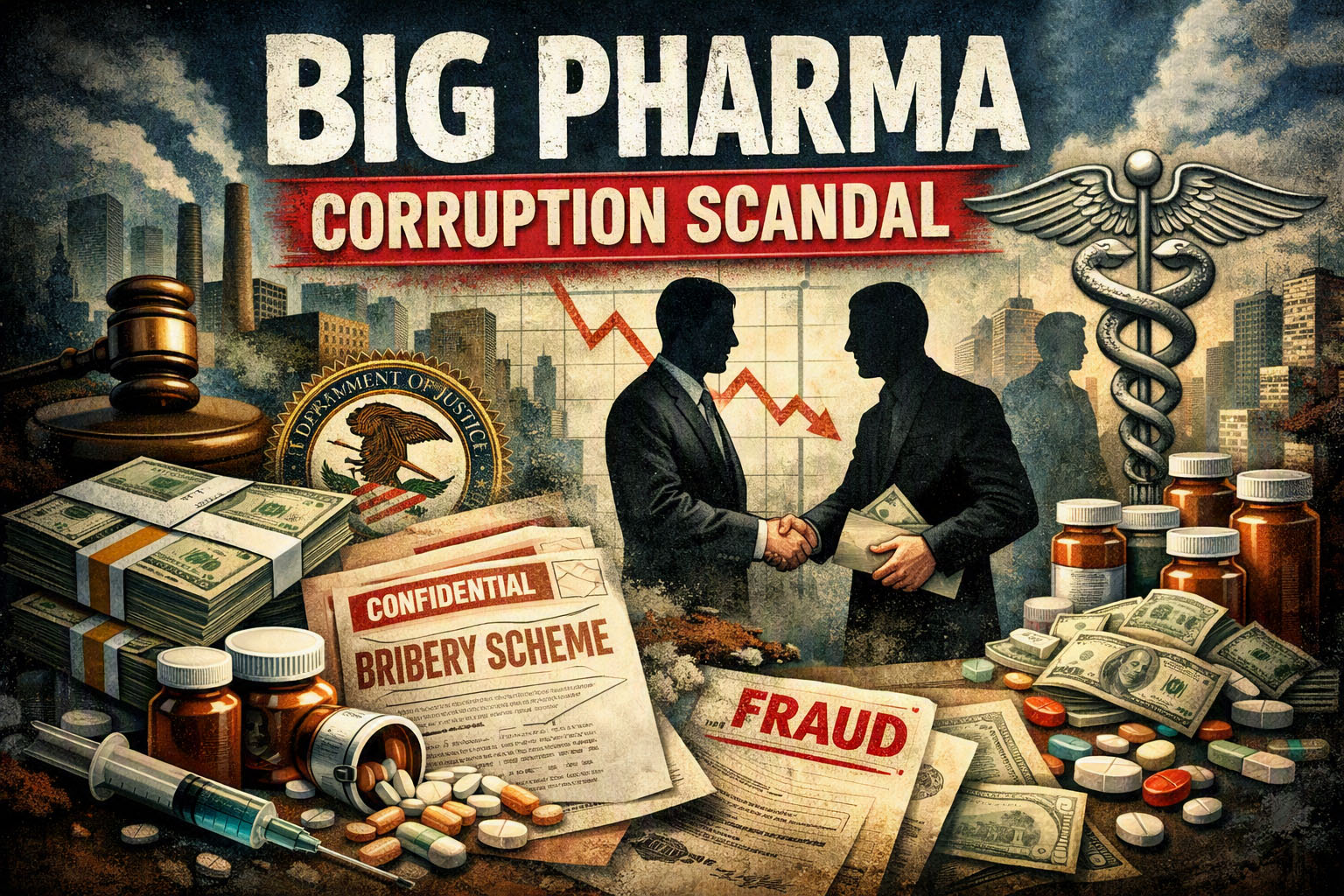
Across the past two decades, pharmaceutical giants have faced an unprecedented number of bribery, fraud, kickback, and misconduct investigations. Academic reviews, OECD bribery reports, SEC enforcement records, and U.S. Department of Justice prosecutions collectively reveal a pattern: virtually every major global pharmaceutical company has been implicated in corruption schemes, often paying massive penalties without admitting wrongdoing.
1. A Documented History of Systemic Corruption
OECD and SEC Findings
A comprehensive analysis published in The Journal of Law, Medicine & Ethics shows that pharmaceutical corruption has been persistent since the mid‑20th century, involving bribery, kickbacks, conflicts of interest, and institutional corruption. These patterns were identified through OECD case studies, SEC disclosure programs, and settlement agreements across federal and state jurisdictions.
Bribery as a Global Business Strategy
A 2026 systematic review of OECD Working Group on Bribery reports (1999–2025) found recurring patterns:
- Bribes approved by high‑ranking managers.
- Use of intermediaries, subsidiaries, shell companies, and third‑party vendors to disguise payments.
- Bribes delivered through cash, gifts, luxury travel, fraudulent research, and sham consulting contracts.
- Payments used to gain market access, influence prescribing, secure regulatory approvals, and boost sales.
Reported bribes totaled $12.6 million, while sanctions exceeded $1.1 billion — a staggering ratio showing how profitable corruption remains even after penalties.
2. The Companies Most Frequently Implicated
A 2026 investigative review identified 19 major pharmaceutical companies involved in 21 bribery investigations across five OECD nations. None admitted wrongdoing despite over $1.1 billion in sanctions.
Companies named across investigations include:
- Pfizer
- Johnson & Johnson
- Novartis
- Eli Lilly
- GlaxoSmithKline
- AstraZeneca
- Sanofi
- Bristol‑Myers Squibb
- Teva
- Novo Nordisk
- SciClone
- BioTest
- Nordion
These are not fringe operators — they are among the largest pharmaceutical corporations in the world, with products in nearly every household and hospital.
3. How the Bribery Schemes Worked
Not Rogue Employees — Corporate Strategy
Investigations show bribery schemes were approved or directed by senior executives, not low‑level staff. Subsidiaries and shell companies were used to conceal operations. Twelve of the nineteen investigations found subsidiaries specifically created or used to hide bribery.
Examples of Documented Schemes
- Novartis (Greece): Paid for physicians to attend international conferences, then threatened to cut funding if prescription quotas were not met.
- Eli Lilly (Russia): Funneled over $11 million through offshore shell companies tied to government officials, disguised as “marketing services.”
- Pfizer (China): Created a points‑based rewards program for doctors who prescribed more Pfizer medications.
- Eli Lilly (Poland): Paid nearly $40,000 to a health official’s personal charity to get drugs on reimbursement lists, falsely recording it as conference and computer expenses.
These examples illustrate a consistent pattern: corruption was embedded in corporate operations, not accidental.
4. Fraud and Kickback Conspiracies: The Purdue Pharma Case
While bribery dominates global corruption cases, the U.S. opioid crisis exposed another dimension: fraud and kickback conspiracies.
In 2026, Purdue Pharma — manufacturer of OxyContin — was sentenced to pay over $5 billion in criminal penalties for fueling the opioid epidemic. The DOJ found Purdue:
- Put profits over patient safety.
- Ignored clear evidence of diversion and misuse.
- Encouraged prescribing of addictive opioids without legitimate medical purpose.
This remains one of the largest corporate enforcement cases in U.S. history.
5. Why No Company Admits Wrongdoing
Across all 21 major bribery cases reviewed:
- $1,111,225,911 in sanctions were paid.
- 0 companies admitted wrongdoing.
This is not accidental — it is strategic:
- Admissions of guilt open the door to civil liability.
- They threaten future government contracts.
- They risk shareholder lawsuits.
- They damage brand trust.
Thus, companies pay enormous fines while maintaining official innocence.
6. The Public Health Impact
Pharmaceutical corruption is not victimless. It directly affects:
- Drug safety — compromised clinical trials and fraudulent research.
- Prescribing patterns — doctors influenced by bribes rather than medical need.
- Healthcare budgets — inflated drug prices and misallocated resources.
- Patient outcomes — unsafe drugs, overprescription, and reduced access to effective treatments.
Researchers warn that corruption distorts medical decision‑making worldwide, undermining trust in healthcare systems.
7. Why Oversight Continues to Fail
Despite decades of enforcement:
- Illegal conduct often continues after prosecution.
- Corporate Integrity Agreements (CIAs) have limited deterrent effect.
- Complex multinational structures make accountability difficult.
- Penalties, though large, are small relative to profits.
The pharmaceutical industry remains one of the most powerful lobbying forces globally, shaping legislation meant to regulate it.
Conclusion
The evidence is overwhelming: corruption in the pharmaceutical industry is systemic, global, and persistent. Major companies repeatedly engage in bribery, fraud, and kickback schemes, paying billions in penalties while avoiding admissions of guilt. These practices compromise patient safety, distort medical decision‑making, and erode public trust.
Until oversight mechanisms become stronger, more transparent, and more punitive — including criminal accountability for executives — the cycle is likely to continue.