US Will Not Ban Oil Exports, Interior Secretary Says at G20 Energy Meeting
 Melanie SunUpdated 2 hours Ago2 Mins read
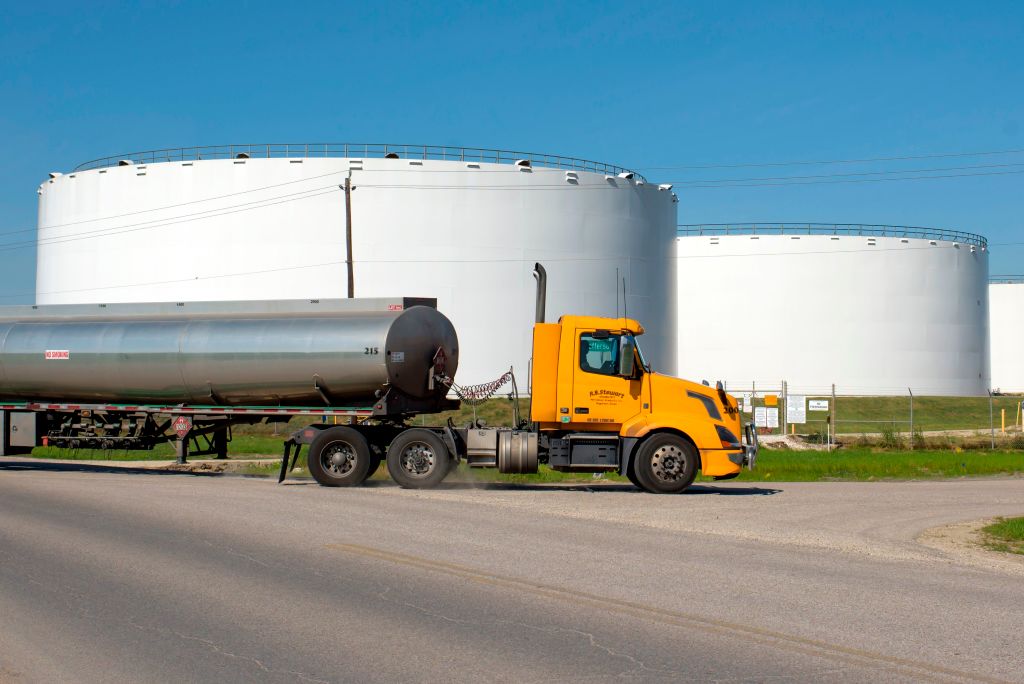
U.S. Interior Secretary Doug Burgum told reporters on Monday that the United States is not considering a ban on U.S. oil exports.
Burgum, who was chairing the first day of the G20 Energy Abundance Ministerial in Houston, said in response to a question from the media that a ban on U.S. oil or fuel exports would not lower energy prices for consumers amid the Iran war.
“We would consider an export ban if we thought that actually might lower prices, but that’s not the case,” Burgum said, rejecting the idea.
He also warned that bans on U.S. oil, gasoline, or diesel exports could lead to retaliatory actions from other countries, which could hurt consumers in states such as California, which partially depend on imports.
“We stop exporting product, and then somebody says, ‘We’re not going to export to California,’” Burgum said.
“California already [has] the highest prices in the country for gas and diesel anyway, because of their policies, we wouldn’t want … to exacerbate that,” he said, blaming the state’s policies including its shuttering of several oil refineries.
Diesel prices hit a new high of $6.23 per gallon in the United States on Sept. 14, rising more than 80 cents on average over the past month.
President Donald Trump has asked Ukraine to halt its attacks on Russian oil refineries, saying the attacks are exacerbating the global fuel shortage caused by Iranian threats against maritime traffic in the Strait of Hormuz.
In July, Russia responded to Ukrainian attacks by banning diesel exports. Ukraine says its attacks weaken Russia’s ability to finance and sustain its military operations.
The White House is also weighing how to use the Cold War-era Defense Production Act to expand U.S. refining capacity.
G20 Priorities
As the president of the forum this year, the United States has set new priorities for ministers of G20 nations.
It removed previous G20 priorities such as climate action and diversity, equity, and inclusion initiatives from this year’s agenda. Instead, it said it would lead the world’s most developed and emerging economies to refocus on advancing fair trade, deregulation, innovation, and energy affordability and security.
The energy ministerial meeting runs until Sept. 16.
Earlier, the U.S. Environmental Protection Agency (EPA) announced that it had finalized a rule repealing most of the carbon-emission limits for coal- and natural gas-fired power plants in the United States and proposed a separate measure that could restrict similar regulations in the future.
EPA Administrator Lee Zeldin said the reforms will allow the United States to build power plants to meet increasing demand.
Finance Meeting
The energy ministerial follows earlier G20 innovation and finance ministerials in Raleigh-Durham and Asheville, North Carolina.
Treasury Secretary Scott Bessent opened the finance forum in Asheville on Aug. 31, saying the United States has chosen to focus on issues central to the G20’s creation.
“When the G20 first convened in the late ’90s, its mandate was clear: to promote cooperation in pursuit of economic growth,” he said.
“But over the decades, mission creep has knocked the swarm off course.
“This year, under President Trump, we’re getting back to the basics.”
All G20 members, except China, at the Asheville Finance Ministers and Central Bank Governors Ministerial, approved a joint summit statement in support of sovereign debt restructuring and reducing global imbalances.
The various G20 meetings will conclude with a leaders’ summit hosted by Trump at the Trump National Doral in Miami on Dec. 14–15. The United States then hands over the presidency to the UK.
It remains unclear whether Russian President Vladimir Putin will attend the December summit in Miami. Putin has skipped the annual gathering since 2022.
Emel Akan, Tom Ozimek, and Reuters contributed to this report.




Senate to Hold Key Vote on Major Crypto Bill
The Senate will hold a procedural vote on a sweeping cryptocurrency bill...
US Private Credit Default Rate Hits Record High in August: Fitch
Stress in the U.S. private credit market persisted last month as the...
Federal Reserve Opens Highly Anticipated September Meeting
The Federal Reserve is opening its closely watched two‑day policy meeting on...
Palau’s President Says US Security Partnership Is Essential as China Pressures Island Nation
KOROR, Palau—When Surangel Whipps Jr. was pursuing an MBA at UCLA in...