Tories Urge Ottawa to Pass Bill Allowing Canada Post to Deliver Alcohol Across Provinces
 William HetheringtonUpdated 3 hours Ago2 Mins read
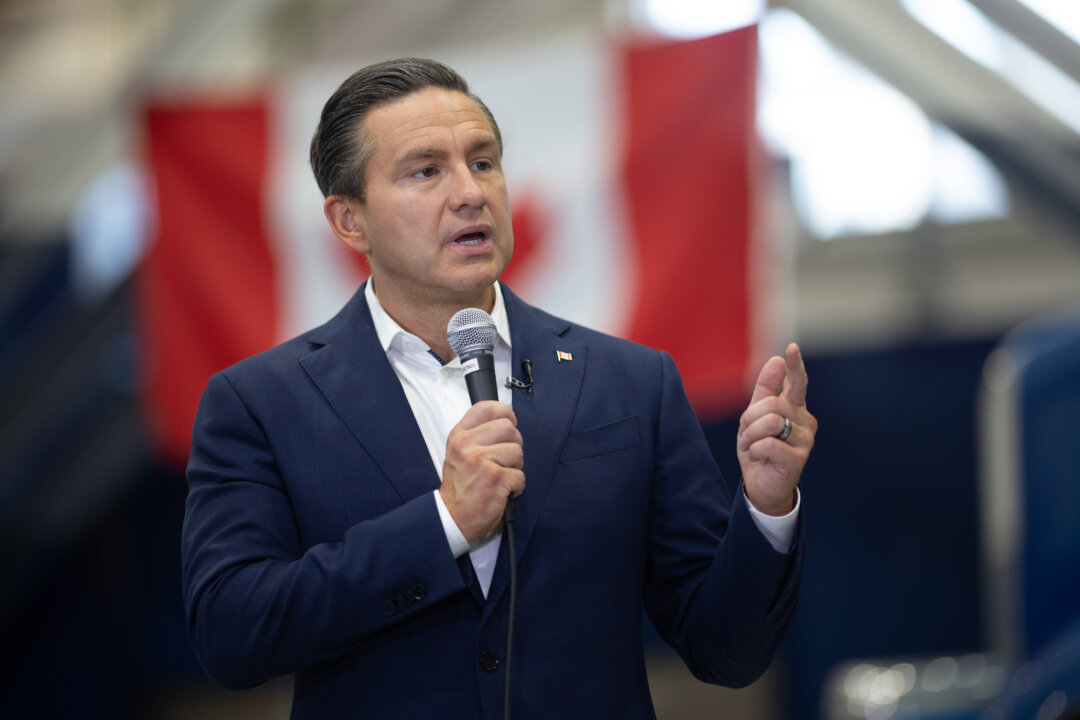
Conservative Leader Pierre Poilievre is urging the Liberal government to help pass Bill C-262, which would allow Canada Post to deliver alcohol across provincial borders, saying this would expand consumer choice and boost the economy.
His request comes as Washington has recently banned the import of most Canadian alcohol in response to Canada’s counter-tariffs on the United States.
“Canadians should be free to buy B.C. and Niagara wine, Alberta whisky, New Brunswick beer and Nova Scotia gin, wherever they live,” Poilievre wrote in a Sept. 13 letter to Prime minister Mark Carney.
“We cannot control what happens in Washington, but we can control the taxes and barriers we impose on ourselves.”
The Liberal government says it has removed all federal trade barriers when it comes to the interprovincial trade of alcohol.
“We amended the Importation of Intoxicating Liquors Act and eliminated federal exceptions under the Canadian Free Trade Agreement. In addition, we announced a two-year extension of alcohol excise duty relief for brewers, distillers, and winemakers,” Intergovernmental Affairs Minister Dominic LeBlanc said in May.
“The remaining work lies with provincial and territorial governments, as they look to complete negotiations towards a Memorandum of Understanding (MOU) to bring direct-to-consumer alcohol sales into full effect.”
The Conservatives are urging the passage of Bill C-262, introduced by Conservative MP Dan Albas, which would remove current federal rules preventing Canada Post from delivering alcoholic beverages across provincial borders, an amendment that would support Canadian wineries, breweries and distilleries, the Conservatives said in a statement.
Poilievre added that the federal excise tax is adding costs to producers and consumers of Canadian beer, wine, and spirits, asking the government to provide tax relief.
Since 2017, the federal alcohol excise duty has increased annually on April 1 through an automatic adjustment that indexes rates to consumer price index inflation, without needing an annual vote in Parliament.
Meanwhile, the federal government, after having placed a temporary 2 percent cap on the inflation adjustment for alcohol excise duties in 2023, on April 1 this year extended the cap for an additional two years, until April 1, 2028.
Under current regulations, interprovincial alcohol sales and direct-to-consumer shipping remain subject to varying provincial rules, liquor-board controls, and restrictions on carriers and Canada Post. Out-of-province producers must meet certain requirements for shipping beer, wine, and spirits directly to consumers based on the destination province’s liquor laws and regulations.
Individuals also generally cannot ship alcohol privately across provincial borders, while producers must comply with differing tax, reporting, and licensing requirements, as well as provincial markups and quantity limits.
While an interprovincial agreement on direct-to-consumer alcohol sales was signed on July 21, 2026, individual provinces must still pass enabling legislation and update local liquor regulations before the new rules actually take effect. The agreement, when fully implemented, will allow producers to sell directly to individual consumers.
Poilievre also reiterated his party’s call to lower taxes and cut red tape to boost the economy. The Tories are asking Ottawa to scrap the industrial carbon tax, bring in a program to cut capital gains tax for Canadians who reinvest their earnings back into the Canadian economy, and cut red tape by eliminating two regulatory requirements for every new one imposed, as a way to encourage entrepreneurs.






Australian Greens Secure Senate Inquiry Into Transnational Repression
Diaspora communities and dissidents in Australia facing threats and oppression from foreign...
Sponsored Visa Red Tape Leaves Regional Employers Struggling: Law Council
The Law Council of Australia has told a parliamentary inquiry that the...
One Nation Vows to Cut 750,000 Temporary Visa Holders From Australia
One Nation Leader Pauline Hanson speaks to the media at Parliament House...

Quebec Prayer Restrictions Reshape Rules at Transit Agency, Universities
People use the Jarry metro station in Montreal on March 20, 2026....