Canada Should Become a Nuclear Powerhouse
 Bryan BrulotteUpdated 7 hours Ago3 Mins read
Commentary
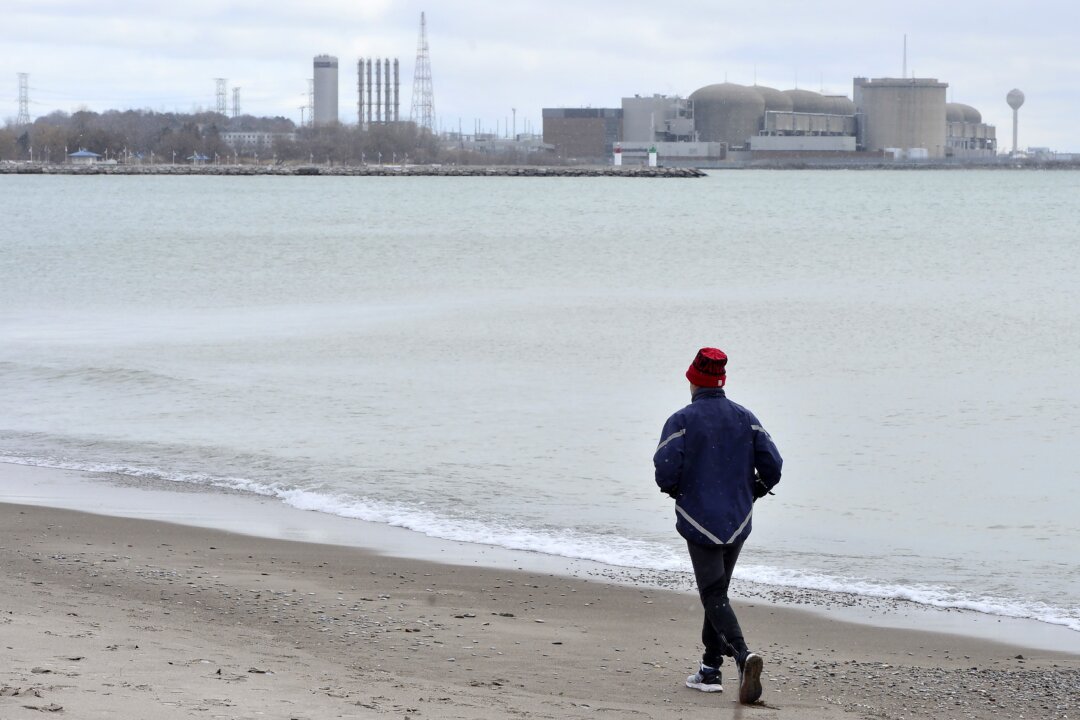
Canada has spent years debating how to become an energy superpower while sitting on one of the greatest strategic energy advantages in the world. We possess enormous uranium resources, decades of nuclear engineering expertise, an established supply chain, and rapidly growing demand for reliable electricity. Nuclear power should therefore be treated not simply as another source of electricity, but as a strategic Canadian industry.
Saskatchewan has provided a glimpse of what that could look like. Premier Scott Moe’s government has established a goal of at least 2,600 megawatts of nuclear generation by 2050, including 600 megawatts associated with development near Estevan and more than 2,000 megawatts from two proposed large reactors. The Rafferty site near Estevan has also been selected for further study for small modular reactors.
The numbers behind the opportunity are remarkable. Canada is the world’s second-largest uranium producer, with approximately 24 percent of global uranium production in 2024 coming from Saskatchewan. Nearly 90 percent of Canadian uranium production is exported.
At full capacity, Saskatchewan’s uranium producers could mine and mill enough uranium annually to generate the equivalent of 170 percent of Canada’s current electricity demand through nuclear power. Few countries possess this combination of abundant resources, reactor technology, engineering expertise, and an advanced domestic supply chain. We should recognize it as a strategic national asset.
The opportunity is not simply to mine uranium and ship it elsewhere. Canada can capture considerably more of the value chain by turning Canadian uranium into Canadian electricity using Canadian engineering, manufacturing, and workers. We can simultaneously expand exports of uranium, reactor technology, nuclear components, and engineering services.
Energy sovereignty strengthens the argument. CANDU reactors operate using natural rather than enriched uranium, while Canada’s CANDU fuel supply chain is overwhelmingly domestic. In an increasingly uncertain world, Canada has the unusual ability to control much of the chain from uranium in the ground to electricity entering the grid without depending on foreign enrichment capacity.
This is already becoming much more than a Saskatchewan story. Ontario is advancing new nuclear development, Alberta is developing its nuclear roadmap, Saskatchewan is examining both large and small reactors, and New Brunswick is considering the future of Point Lepreau. Canada already has more than 250 companies participating in its nuclear supply chain and approximately 90,000 direct and indirect nuclear-sector jobs.
The electricity demand is coming whether we prepare for it or not. Canada’s electricity capacity may need to double over approximately the next 25 years as electrification, advanced manufacturing, mining, and data infrastructure expand. Artificial intelligence and data centres will add another important source of demand for dependable electricity.
This changes the nuclear debate. Canada should not simply ask how we replace existing generating capacity; we should ask where the additional electricity required to build a richer and more productive country will come from. New mines, critical-mineral processing, advanced manufacturing, and data centres all require enormous quantities of dependable power.
Nuclear will not do this alone. Hydro, natural gas, wind, solar, and other technologies should play roles according to regional circumstances and economics. But an advanced industrial economy requires reliable power around the clock, and nuclear provides precisely that kind of firm generation.
The international opportunity is equally significant. Thirty-eight countries have endorsed the goal of tripling global nuclear capacity by 2050, while more than 30 countries are pursuing nuclear power for the first time. Canada enters this expansion with uranium, reactor technology, engineering expertise, and an established export record already in hand.
There are risks. New reactors require enormous upfront capital, regulatory approvals can take years, and construction delays and cost overruns can undermine otherwise sound projects. The answer is disciplined procurement, predictable regulatory timelines, private capital wherever appropriate, and standardized reactor fleets rather than continually reinventing projects.
Canada should therefore develop an integrated nuclear industrial strategy encompassing uranium, fuel processing, reactor construction, engineering, research, skilled trades, and exports. Governments should coordinate where doing so reduces costs and construction risk while allowing competition and private investment to impose financial discipline.
The opportunity is bigger than generating electricity. Nuclear energy can strengthen our economy, reinforce our sovereignty, develop Western and Northern Canada, support our allies, and create a major export industry. We do not need to invent this advantage—we already have it.
Views expressed in this article are opinions of the author and do not necessarily reflect the views of The Epoch Times.






Anti-Israel Oct. 7 event to ‘honour martyrs’ will not proceed on U of T campus: university
University College at University of Toronto in Toronto, Ontario on Wednesday, September...

Chris Selley: If judges now can’t even tell what a ‘fact’ is, we’re really cooked
Facts? Supporters of the Drug User Liberation Front outside a Vancouver courthouse...
Conrad Black: Carney’s invasion musings
Prime Minister Mark Carney speaks during a Liberal caucus meeting on Parliament...

Co-Pilot Used Crash Axe in Attempted Terrorist Attack on Israel-Bound Flight, UAE Says
The United Arab Emirates prosecutor general said Saturday that the co-pilot of...